How Lemon Vibrators Help Long-Distance Couples Stay Physically Connected
Long-distance relationships work. They're harder, but they're not impossible. And the thing that trips most couples up isn't the distance itself. It's the sexual disconnection that creeps in when you can't touch each other.
Here's what I see in couples therapy: partners in long-distance setups often stop talking about sex entirely because video calls feel awkward, scheduling intimacy feels clinical, and the gap between desire and availability feels too wide to bridge. So they default to silence. Which means the one thing that could actually help them feel closer—intentional, prepared intimate time—never happens.
Lemon vibrators and other clitoral vibrators change this equation. Not because they're magic. Because they give you something concrete to plan around, talk about, and share without needing to be in the same room.
Why physical distance kills sexual rhythm
Sex in long-distance relationships breaks down for a specific reason: you lose the organic moment. In-person couples have spontaneous sex. Someone touches someone else, a conversation spirals into kissing, and suddenly you're both engaged without having discussed it. Long-distance doesn't have this. You can't reach across the couch and unzip someone. So couples either schedule sex (which feels robotic) or they don't have sex at all (which breeds resentment).
There's a third option that most couples never consider: scheduled, intentional, partnered pleasure. The distinction matters. Scheduled sex with zero ritual feels like a chore. Scheduled intimacy with preparation, vulnerability, and mutual ownership feels like you're choosing each other.
This is where a tool like a lemon vibrator comes in. It's not a replacement for a partner. It's a prop in a conversation that otherwise feels impossible to have.
How to introduce the idea (without it feeling weird)
The texture of this conversation matters. Most couples either say nothing or suddenly drop "I want us to use toys" into a neutral chat, which lands weird. Better approach: start with honesty about the gap.
Try something like, "I miss you and I miss being touched. I've been thinking about how we could feel closer during video calls, and I'm wondering if you'd be interested in exploring that together." This names the problem (missing physical connection) before suggesting the solution (shared intimacy with tools).
If your partner hesitates, that's information. Listen for what's underneath. Is it jealousy ("Are you not interested in me anymore")? Insecurity ("Am I not enough")? Or just unfamiliarity ("I don't know how to do this and it feels awkward")? These need different responses.
If it's jealousy: this isn't about replacing them. It's about extending the conversation between you both. The vibrator is part of something you're doing together, not something you're doing instead of them.
If it's insecurity: reassure them. Explain that distance has created a problem that requires a practical solution. You're not looking for a replacement. You're looking for a way to stay connected.
If it's awkwardness: expect that. Awkwardness is normal. Work through it.
The logistics of shared intimacy
Once you've talked, here's how it actually works.
First, agree on timing. Don't wing this. Pick a day. Pick a time. Set a calendar reminder. This sounds unromantic. It's actually the thing that makes romance possible when you're separated by distance. You're both showing up for each other.
Second, agree on tech. Video calls work best. Audio only works. Text doesn't. You need some form of real-time connection so you're not just performing solo. The point isn't the physical tool. The point is the presence.
Third, agree on boundaries. Will you keep your eyes open or closed? Do you want to narrate what you're feeling or stay quiet? Will you both be touching yourselves, or is one person primarily using a lemon vibrator or other clitoral vibrator while the other watches? These questions feel clinical in the abstract. They matter in practice because they prevent misalignment.
Fourth, talk about the tool itself. If your partner doesn't know how a lemon clitoral vibrator works, explain it. Suction vibrators operate differently than traditional vibrators. They stimulate the clitoris through gentle air-pulse technology rather than direct vibration. Some people prefer this because it feels less intense and more focused. Show them pictures. Send them the product page. Demystify it.
Tools that work well for long-distance intimacy
Not all clitoral vibrators are equal for video-based partnership. You want something that:
- Allows you to stay engaged visually. Some toys require two hands or contorted positioning. Those don't work for long-distance calls because you need one hand free to adjust your phone or camera.
- Feels good without needing constant adjustment. You don't want to spend the call fiddling with settings instead of being present with your partner.
- Isn't so loud it demands explanation if you're living with roommates or family.
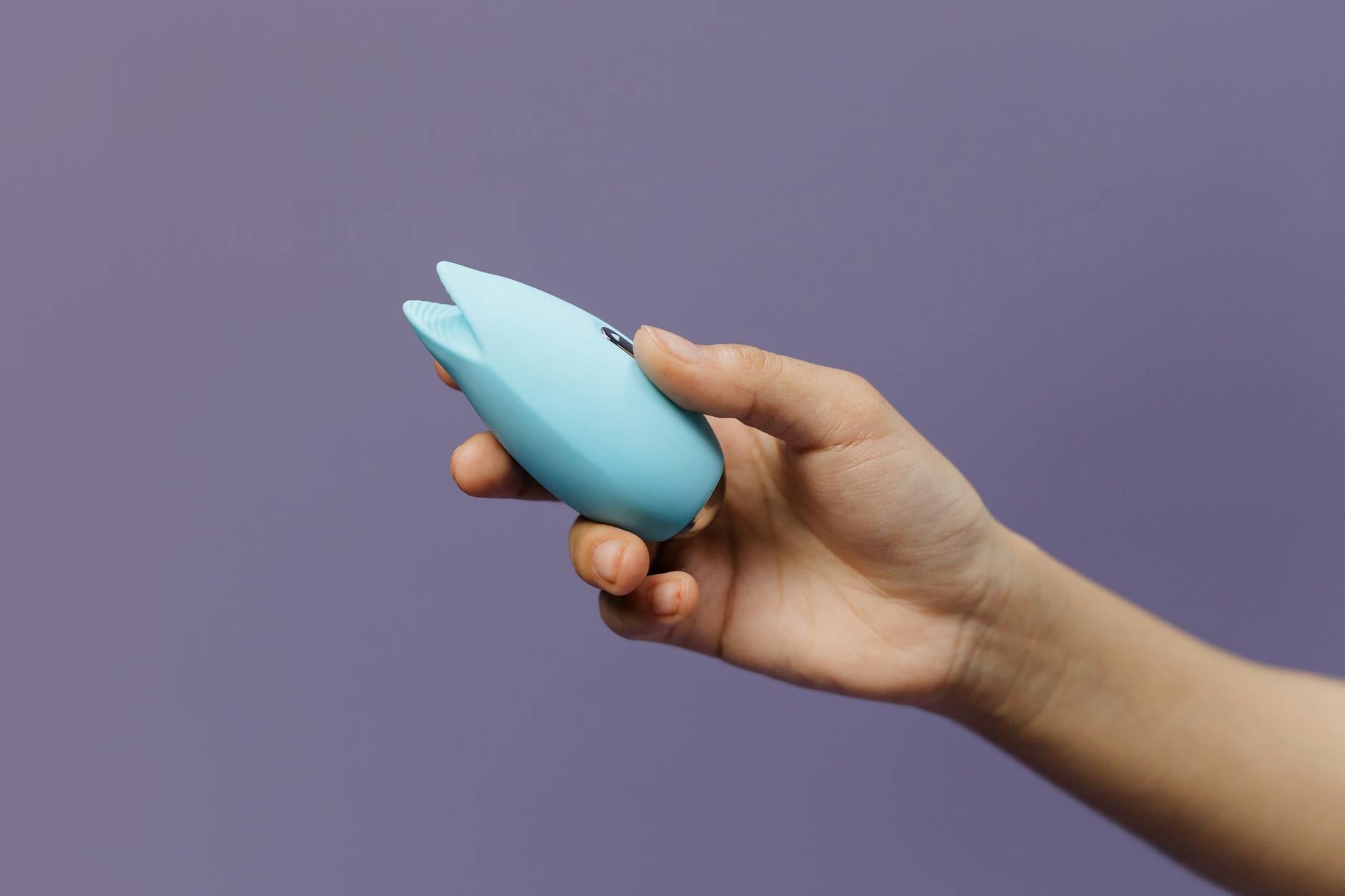
Lemon vibrators fit this profile. They're designed for clitoral stimulation with suction technology. One hand holds the device, one hand is free. The stimulation is intense enough that most people reach orgasm, but not so aggressive that it requires constant repositioning.
If you're buying together, consider splitting the cost or surprising your partner by purchasing one and sending it to them. Frame it as a gift from both of you to your relationship. Because that's what it is.
Managing the emotional weight of shared intimacy
Here's something people don't talk about: long-distance sex, even with the right tools, can feel emotionally heavy. You're naked and vulnerable on a screen. You're dependent on Wi-Fi and privacy. You're acutely aware of the distance between you because you're literally staring at each other through glass.
This is okay. It's not a sign something's wrong. It's a sign something's real.
After you've finished, actually talk. Not a performance debriefing. A real conversation. How did you feel? What was that like? Do you want to do it again? What would you change? This transforms the experience from a workaround into actual intimacy.
Most couples in long-distance relationships don't do this. They treat shared intimacy as a logistics problem to solve rather than a connection to deepen. The difference between those two approaches is enormous.
When to bring it into in-person visits
Eventually, you'll close the distance, or at least spend time together in person. The question couples ask is whether to bring the lemon vibrator into physical visits. The answer depends on what works for you both.
Some couples love this. The toy becomes a prop in your shared intimate life, not something confined to video calls. Other couples prefer to set it aside during in-person time and rely on direct touch. Both are valid. Discuss it beforehand.
What matters is that you don't treat the tool as training wheels that disappear once you're together. If it brought you closer during distance, it can continue to. The point was never that you needed it. The point was that you wanted to stay connected, and this was one way to make that happen.
The real work: communication, not tools
I want to be clear about something. A lemon vibrator doesn't save a long-distance relationship. Communication does. A tool is just the container that makes difficult communication possible.
If you can't talk about sex when you're in the same room, a video call with a vibrator won't fix that. If you resent the distance, using toys together won't erase the resentment. Tools amplify what's already there. They don't create connection out of nothing.
But if you have a solid foundation and you're both genuinely trying to stay close despite the distance, then yes. A lemon clitoral vibrator can be part of how you do that. It gives you something concrete to plan around. It signals intention. It says, "I miss you and I want to figure this out together."
That's worth something.
FAQs
Can you use a lemon vibrator on a video call?
Yes. Lemon vibrators are designed for one-handed use, which makes them ideal for video-based intimacy. You can hold the device with one hand and maintain camera angle with the other. Make sure you're in a private space with good Wi-Fi before you start.
What if my partner isn't interested in using toys together?
That's legitimate. Not everyone wants to incorporate toys into partnered sex, distance or not. If that's the case, you have other options: sexting, audio calls, video calls without toys, or simply scheduling regular touch-based intimacy during visits. The tool isn't the relationship. The intention is.
Is it normal to feel awkward the first time?
Completely. Most people feel awkward during their first shared intimate experience on video, with or without toys. Awkwardness doesn't mean something's wrong. It means you're trying something new. The awkwardness typically fades after the first or second time.
How do you explain a long-distance intimacy practice to roommates?
You don't need to. Invest in a good door lock and headphones. Schedule it for times when your roommate is out if possible. Keep the volume low. You're entitled to sexual privacy even in a shared living situation.
Does using a vibrator together during distance change how sex feels in person?
Not necessarily. Some couples say video-based intimacy with tools actually primes them for more connected in-person sex because they've been talking more openly about desire. Others say it doesn't change anything. There's no universal answer. You'll find out by trying.
What if the long-distance period ends?
Great question. You've built a habit of communicating about sex and scheduling intimacy together. Don't drop that once you're in the same location. That foundation is valuable. You can adapt it, but keep the principle: intentionality matters.
The deeper point
Long-distance is hard. The sexual disconnection is one of the hardest parts because it's the thing couples are least equipped to talk about. A lemon clitoral vibrator isn't a solution to distance. It's a conversation starter. It's permission to say, "I want us to stay connected, and here's how we might try."
If you're in a long-distance relationship and you've been silently tolerating the sexual gap, try talking about it. If you decide to explore shared intimacy, start with communication. Pick a tool that makes sense for your bodies. Schedule it. Follow through. And afterward, actually talk about what happened.
That's how you maintain intimacy across distance. Not perfectly. Not without awkwardness. But genuinely.
If you're navigating other aspects of long-distance relationships or want guidance on maintaining emotional connection, I'd recommend combining lemon vibrators with partner play for additional perspectives on shared pleasure and intimacy. You might also find our guide on choosing the right vibrator based on sensitivity helpful when selecting a tool that feels right for you.
For couples looking to deepen their overall connection, strong communication frameworks often emerge from addressing difficult topics like this one. If you'd like personalized guidance on navigating long-distance intimacy or relationship dynamics, reach out. I'm here to help.