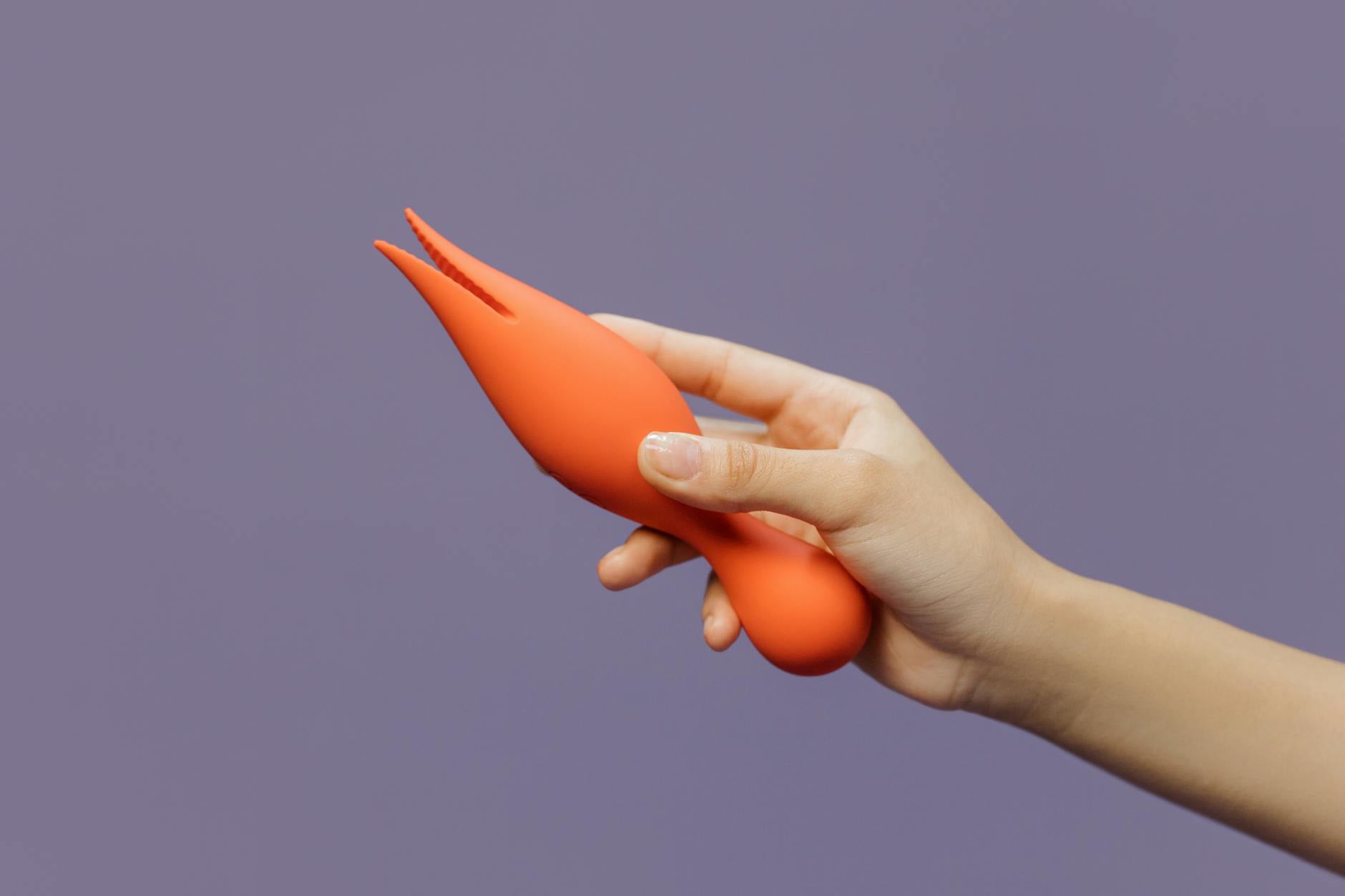
Here's what no one tells you about vibrators
Your best friend's favorite lemon clitoral vibrator might feel like nothing on your body, or too much. The reason isn't that one of you is broken. It's that sensitivity, tissue thickness, and the way your nervous system responds to stimulation vary wildly from person to person. Finding your match isn't a guessing game. It's anatomy.
Let me walk you through how to actually choose a lemon vibrator that works for your body instead of against it.
Sensitivity isn't fixed. It changes.
First, understand that clitoral sensitivity isn't one stable thing you're born with and keep forever. It shifts based on:
Where you are in your cycle (if you menstruate). Sensitivity peaks around ovulation and dips just before your period. What's perfect mid-cycle might feel harsh at day 26.
Your stress level. Cortisol dampens sensitivity. You'll notice this: high-stress weeks feel numb. Calmer weeks feel electric.
Age and hormonal changes. If you're approaching forty or beyond, tissue remodeling is real. What worked at thirty might not at forty-five, and something different might work better.
Mediation or health issues. SSRI antidepressants, for example, notoriously flatten sensation. So do some blood pressure drugs. This isn't permanent, but it matters for choosing the right intensity.
So when you're picking a lemon vibrator, you're not choosing for one static self. You're choosing for the range of sensitivity you actually live in.
The suction question: what intensity really means
One of the biggest advantages of Hello Nancy's lemon vibrators and other suction-based clitoral vibrators is that they stimulate without friction. That changes everything for sensitive tissue.
But "suction strength" is vague marketing. Here's what's actually happening: a suction toy creates a gentle seal and pulsing rhythm that pulls blood to the area while stimulating nerve endings. The intensity of that pulse is what we mean by intensity levels.
Six is not twice as strong as three. It's not a linear scale. Most people find that intensity one through three covers their range on any given day. Levels four to six are rarely needed, and some people never go there.
If you're someone with historically high sensitivity (you've always preferred gentler toys or touch), start with a lemon vibrator that maxes out at intensity four. If you're someone who's always wanted more from vibrators, pick a model with more levels and start low anyway. You can always turn it up. You can't turn it down if it's already too much.
Tissue thickness and what it means for you
Not all clitoral tissue is the same thickness. Some variation is genetic. Some is hormonal.
Thinner tissue (common after forty, especially if estrogen is lower) benefits from gentler, wider contact and sustained pressure. A lemon sucker like the one from Hello Nancy distributes sensation across a wider area than a traditional pointed vibrator, which is why many people with thinner tissue report better results with suction toys.
Thicker tissue (more common in younger people or those with higher estrogen) can handle more direct, intense stimulation. You might prefer a toy with a narrower focus or higher intensity options.
The honest part: you won't know your tissue thickness just by thinking about it. You'll know by testing. But knowing this framework helps you interpret what happens when you do.
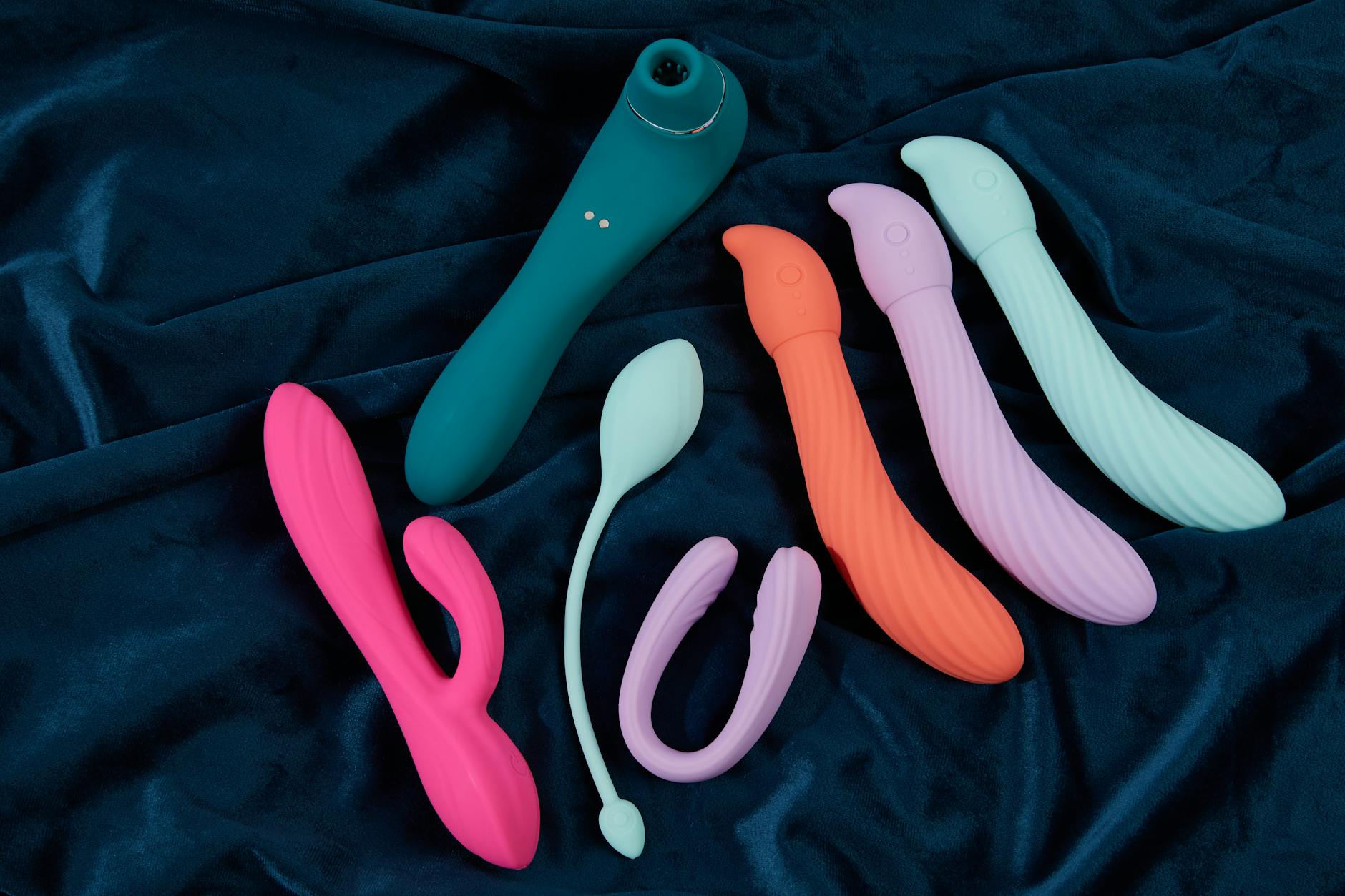
Photo by IFONNX Toys on Pexels
Size, shape, and what fits your anatomy
Clitoral vibrators come in different sizes, and bigger isn't better. Smaller is often better.
A compact toy like the Hello Nancy lemon vibrator (roughly the size of a citrus fruit, hence the shape) works for almost everyone because it has a smaller opening. This matters: the opening size determines how much suction actually transfers to your body. Too large an opening, and the seal breaks easily. Too small, and it can feel pinchy.
Compact lemon vibrators tend to nail this balance. They're also easier to control, easier to use with a partner, and easier to pack if you travel.
If you prefer broader contact (more surface area of tissue being stimulated), look for a toy with a wider dome but not necessarily a wider opening. The opening size and the stimulation area are different things.
Your history with vibrators tells you something
Before you buy, think back:
Have you used vibrators before? If yes: what felt good, and what didn't? Did intensity matter more than speed? Did you prefer focused or diffuse stimulation? Did rubbing or suction feel better?
If you've never used one, that's fine. But if you have a pattern (like "I always end up turning it down halfway through"), that tells you to start with a lower-intensity lemon vibrator and don't feel like you need to upgrade later.
Have you experienced pain or discomfort with other toys? If yes: was it because of intensity, because of shape, because of speed, or because of friction? This directly tells you what to avoid. Pain during sex, including with toys, is treatable. But it's also a sign to slow down and test in lower-stakes ways. A lemon vibrator designed for sensitive tissue is often the right pivot from a painful experience.
The practical test: start low, stay slow
Here's what I tell couples and individuals when they're trying something new:
Buy one lemon clitoral vibrator, not a collection. Whichever one you pick, use it at the lowest intensity for the first three sessions. Not because you need to "work up" to pleasure, but because your nervous system needs time to learn what the sensation is before you ask it to be louder.
Use it alone first. Solo exploration tells you what you like without the pressure of a partner or the need to perform. You can be selfish. You can be slow. You can stop whenever you want.
If your partner is involved, lemon vibrators are particularly good because you can involve them in the experience. You're not being penetrated, so a partner can still be present and engaged. Many couples find this more intimate than either person alone.
If after three sessions at the lowest intensity you want more, go to level two. That's it. The progression is usually: start low, maybe bump to level two, and stay there. You're not meant to max out the toy to "get the most from it." That's not how pleasure works.
What your body type has to do with it
Anatomically, clitoral size and positioning vary. Some people have a more prominent clitoris (easier to find, more sensitive); others have a more tucked one (requires different angle, maybe more deliberate positioning).
If your clitoris is more tucked, you might need a toy you can angle or move around. If it's more prominent, you might prefer something you can hold steady.
A lemon vibrator's compact, handle-friendly shape actually works well for both because you have directional control. You're not locked into one position like you might be with a wand or a rabbit.
Body type also matters for comfort. If you're on the larger side, a smaller, more compact clitoral vibrator might actually feel more manageable than a bigger toy. If you have limited hand strength or grip issues, weight and button accessibility matter. The best lemon vibrators from Hello Nancy are designed to be intuitive and low-effort to hold and control.
One more thing: return policies exist for a reason
If you're not sure, buy from a brand with a good return policy. Hello Nancy stands behind their products because they know not every body is the same. If you pick a lemon vibrator and it doesn't work for you, that's not failure. That's data. Return it and try a different intensity level or style.
The entire point of knowing about your body first is so you can make an informed choice. But even informed choices sometimes need adjustment. That's normal.
People also ask
Can I use a lemon vibrator if I'm on my period?
Yes. Menstrual blood and suction-based clitoral vibrators are compatible. You might feel slight cramping relief, or you might feel more sensation. Some people skip it during their period; others find it helpful. There's no medical reason to avoid it. Just clean your toy afterward (warm water and mild soap, or a toy cleaner if you prefer) like you normally would.
What if I've never had an orgasm with a toy before?
That's more common than you'd think, especially if you've tried the wrong intensity or the wrong type of stimulation. Start with a lemon clitoral vibrator at intensity one. Give yourself at least five sessions. If nothing changes after five sessions, the issue might be psychological (performance anxiety, distraction, or being in an environment where you don't feel safe to let go). Consider whether you're actually relaxed and present, not just whether the toy is "strong enough."
Will a lemon vibrator desensitize me?
No. This is a myth. Using a vibrator doesn't numb you or make it harder to orgasm with touch or partners. If anything, the opposite is true: learning how your body responds to vibration can actually make you more aware of your own pleasure and more likely to ask for what you want with a partner.
What's the difference between a lemon vibrator and other clitoral vibrators?
Lemon vibrators and other suction-based clitoral toys use pulsing suction instead of pure vibration. For many people, especially those with sensitive tissue, this feels gentler and more focused. The suction distributes sensation across a wider area without intense friction, which is why people often find them easier to use and more effective than traditional vibrators.
How often can I use a lemon clitoral vibrator?
As often as you want. Daily is fine. Some people use them daily; others weekly. There's no physical limit. Just clean it before and after, store it in a cool, dry place, and replace the batteries when needed.
Should I use lubricant with a lemon vibrator?
It helps, especially if you're someone with naturally lower lubrication or if you're post-menopausal. Water-based lube is your friend. It won't damage the toy, and it makes the suction seal feel smoother and more comfortable. You don't need much, just enough to help the toy glide into position.
The bottom line
Choosing the right lemon vibrator isn't about finding the one everyone recommends or the most expensive option. It's about understanding your sensitivity, your tissue, your history, and what your body actually responds to. Once you know that, you're not guessing anymore. You're choosing.
And your pleasure? It matters enough to get this right.
Have questions about your specific situation? Reach out. That's what I'm here for.