The tension trap nobody talks about
Your pelvic floor is supposed to relax during pleasure. Instead, it clenches. The more you try to enjoy yourself, the tighter it grips. And then nothing works because tension literally blocks sensation. You're stuck in a loop where anticipation of discomfort creates more tension, which creates more discomfort.
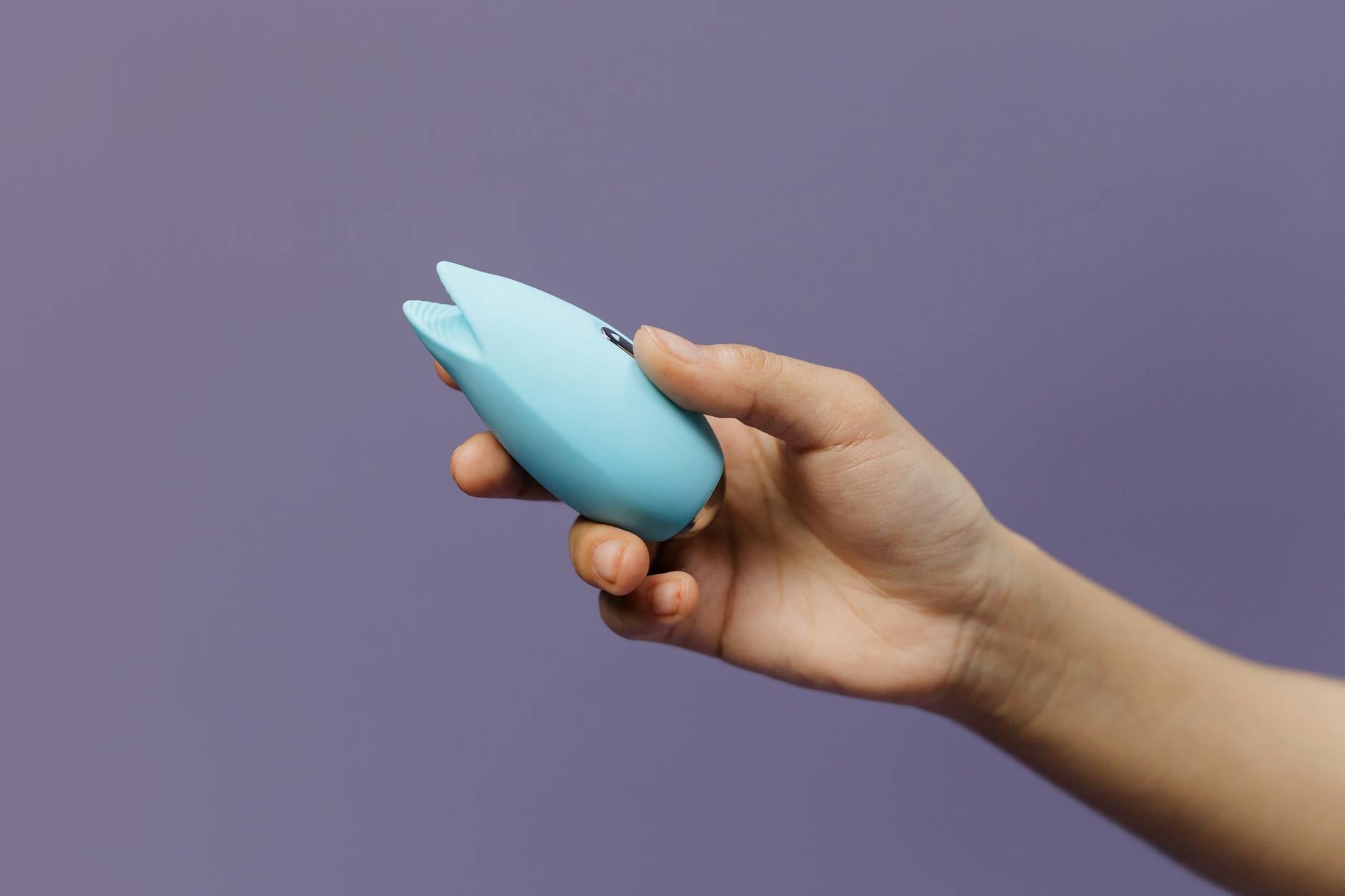
Honestly, this is one of the most common barriers I see in my practice, and it's also one of the most fixable. The trick isn't forcing relaxation. It's using tools that teach your nervous system the difference between tension and release. Lemon vibrators, specifically the suction-based ones, are weirdly good at this because they work with your body instead of against it.
Why your pelvic floor tightens
Pelvic floor tension usually comes from one of three places. First: learned tightness. If you've had painful penetration, trauma, vaginismus, or even just years of anxiety about sex, your pelvic floor learned to guard. That reflex is protective and it's smart. Your body thinks it's keeping you safe. But it's also keeping you from pleasure.
Second: just regular life stress. Your pelvic floor holds tension like your shoulders do. If you're anxious, overworked, or constantly in a state of mild fight-or-flight, that muscle group stays contracted. Add self-consciousness about your body or your sexual response, and the tension doubles.
Third: muscle weakness misdiagnosed as tightness. Sometimes what feels like clenching is actually poor coordination or weakness. Your pelvic floor can be simultaneously tight and underdeveloped. That's a separate thing we'll touch on, but it matters for how you approach this.
How suction changes the game
Most vibrators deliver stimulus through friction and vibration. If your pelvic floor is already tense, friction is triggering because it feels like something's pushing in. Your body reacts by clenching harder. It's automatic.
Lemon vibrators use suction. That's a completely different sensory signal. Suction is gently rhythmic. It doesn't push or pound. Instead, it creates a soft pulse that actually encourages tissue to relax and blood to flow toward the area. Your nervous system reads it as soothing rather than invasive. No invasion signal means no clenching reflex.
That's not magic. That's neuroscience. When your body doesn't perceive a threat, it stops protecting itself.
Your baseline assessment
Before you start, know what you're working with. Lie down somewhere comfortable and insert one finger about an inch into your vagina. Not for pleasure yet. Just to feel what your pelvic floor is doing at rest.
If you can barely fit a finger without sensation of clamping, you're dealing with pretty significant tension. If a finger feels fine but two feels tight, you're moderate. If two fingers are comfortable, you're probably in the normal range but still holding some tension around arousal.
This matters because it tells you your starting point. If you're very tight, you're going to warm up differently than someone who's moderately tight. Don't skip this.
The pre-pleasure warm-up
Don't go straight to the lemon vibrator. Your nervous system needs permission to downshift first.
Spend 10 to 15 minutes on things that have nothing to do with your genitals. A bath works. Stretching works. Breathing work especially works. Deep belly breathing where your exhale is longer than your inhale tells your nervous system that you're safe. If you're someone who can meditate, even five minutes helps. If meditation makes you itchy, just lie still and count your breaths.
The point is: arrive at pleasure from a place of calm, not from a place of anticipation and tension. Your pelvic floor responds to what your nervous system is doing. If you're wound up, it's wound up.
Starting with low-intensity suction
When you're ready, start on the lowest suction setting of your lemon vibrator. You don't need much. The goal right now isn't orgasm. It's nervous system education. You're teaching your body that sensation can feel good without triggering clenching.
Apply the suction to the outer area first. Spend two to three minutes here. Notice what happens. Does your pelvic floor relax or does it tighten? Both are information. If it tightens, that's fine. You're noticing. Pull back slightly, take a breath, and try again. If it relaxes, stay here a bit longer.
Move toward the clitoris slowly. Don't go directly to the clitoris yet if you're very tense. Approach from the sides. Let sensation build gradually. The suction rhythm of lemon vibrators like the Lem is specifically designed to avoid overwhelming sensitive tissue, which is why they work so well for pelvic floor tension. Most clitoral vibrators use patterns that spike and drop. Suction is steadier. It's easier for a clenching pelvic floor to stay relaxed around steady input.
Breathing and releasing
Here's something almost nobody does: coordinate your breathing with the sensation. As the suction pulses, breathe in for the buildup and out for the release. This sounds woo but it's actually just proprioception. You're connecting your conscious breath to your body's response. It makes the nervous system pay attention.
If you notice tightening, don't push through it. This is the opposite of no pain no gain. Pain and tightness are information that something isn't ready yet. Instead, reduce intensity, slow your breath, and let your pelvic floor catch up.
Some people find it helpful to think "I'm breathing the tension out" on the exhale. Others find that helpful metaphors are just distracting. Know yourself.
When to add external pressure
After several sessions of purely external suction, you might want to add gentle internal awareness. Some lemon vibrators are designed for both external and internal use, but if you're working with tension, stay external for longer than you think you need to. Build confidence first.
When you do go internal, use a lot of water-based lubricant. Tension makes tissue drier and more prone to irritation. Lube isn't optional here. It's essential. Apply it liberally and reapply often.
Insert the vibrator slowly. If you feel your pelvic floor clench, pause. Breathe. Let it relax. Then continue. This isn't a race. You're training a reflex, not rushing to climax.
The role of partner involvement
If you have a partner, communication becomes critical. Tell them what you're doing and why. A partner who understands that your pelvic floor tension isn't about them, isn't about desire, and isn't a personal rejection will be infinitely more helpful than one who feels like your body is refusing them.
Some couples benefit from having the partner involved in the warm-up phase. Not sexually. Just present and supportive. Others find that solo practice first builds confidence before adding a partner back in. There's no single right way. What matters is that your partner understands you're retraining a nervous system response, and that takes time.
If you've had trauma that's connected to your tension, your partner knowing about that context is even more important.
Building toward pleasure
As your pelvic floor learns to relax around suction, you can gradually increase intensity and duration. Most people find that after three to four weeks of consistent practice, sensation shifts noticeably. The clenching response starts to loosen. Pleasure becomes possible instead of something your body is actively preventing.
This doesn't mean your pelvic floor tension is permanently gone. It's more like learning a skill. Your nervous system got really good at clenching. Now it's learning to get good at relaxing. Both take practice, but relaxation actually feels good, so the motivation builds.
There's also the possibility that you need more support than solo practice can provide. Pelvic floor physical therapy is a real thing and it's not just for athletes. A pelvic floor PT can assess whether you're genuinely tight, weak, or uncoordinated, and can give you targeted exercises that complement what you're learning with your lemon vibrator.
The timeline is personal
Some people experience shift in two weeks. Others take two months. The variable usually comes down to how long the tension has been there and how much nervous system regulation you're doing outside of sexual activity. Someone who's also working on general anxiety will often see faster progress than someone who's stressed across the board.
Don't compare your timeline to anyone else's. Your pelvic floor is responding to your specific history, your specific nervous system, and your specific life. That's all individual.
FAQ
Can lemon vibrators actually help pelvic floor tension or is this just hype?
Lemon vibrators work differently than traditional vibrators because they use suction instead of vibration alone. Suction creates a gentler, more rhythmic sensation that's less likely to trigger a protective clenching reflex. For people with pelvic floor tension, this matters a lot because friction-based stimulation often makes clenching worse. That said, a lemon vibrator is a tool, not a cure. It works best alongside nervous system regulation practices like breathing, warm-up time, and reduced pressure around performance. If your tension is severe or connected to trauma, professional pelvic floor physical therapy is worth considering alongside solo practice.
What's the difference between pelvic floor tension and vaginismus?
Vaginismus is involuntary muscle contractions that make penetration difficult or impossible. Pelvic floor tension is a chronic baseline tightness that may or may not prevent penetration but definitely reduces pleasure and sensation. The two can overlap, but they're not identical. Vaginismus is more about the penetration reflex specifically. Tension is more about the pelvic floor staying guarded across situations. Both respond well to the same kind of gentle, nervous-system-aware approach, though vaginismus often benefits more from professional physical therapy.
How long should I use a lemon vibrator each time if I have pelvic floor tension?
Start with 10 to 15 minutes total, including warm-up time. Your first five to ten minutes should be warm-up and orientation. The remaining five to ten minutes is actual suction time. As you progress and your pelvic floor learns to relax faster, you can extend this. But in the beginning, shorter and more frequent is better than longer and sporadic. Your nervous system learns faster from consistent, moderate input than from sporadic intense sessions.
Should I use numbing creams or anything else to help with the tension?
No. Numbing anything defeats the purpose. You're trying to teach your pelvic floor to relax around sensation, not to avoid sensation. If sensation is so uncomfortable that you feel tempted to numb it, that's information that you're moving too fast or with too much intensity. Back off, breathe, and try again. The goal is always to stay in the window where sensation feels manageable and potentially pleasurable, not where you're trying to escape it.
Can pelvic floor tension go away completely or is it something you manage forever?
Both. Some people fully resolve their pelvic floor tension and never have it return. Others find that it improves significantly but can flare up during high-stress periods. It's a bit like posture or anxiety. You can improve it substantially and train your nervous system new patterns, but if you go back to old stress habits, it can return. The good news is that once you've learned relaxation once, it's easier to relearn. Your nervous system has a memory.
Can I use a lemon vibrator if I also have pelvic floor weakness instead of just tension?
Yes, but the approach is slightly different. If your pelvic floor is weak and tight, you need both relaxation practice and strengthening practice. Your lemon vibrator helps with relaxation. Pelvic floor physical therapy or even something like Kegels (done correctly) helps with strength. The trick is not to do Kegels while you're still learning to relax, because you'll just teach your pelvic floor to hold even tighter. Relax first, strengthen second. A pelvic floor PT can give you the exact sequence that makes sense for your specific situation.
You're not stuck
Pelvic floor tension feels permanent because it's been there so long that it feels normal. It's not permanent. It's a learned pattern, and learned patterns can be unlearned. It just takes nervous system education, the right tool, and patience with yourself. Lemon vibrators are specifically designed for this kind of sensitive work. Give yourself at least a month of consistent practice before you decide whether it's working. Most people see real shift by then.