Let's talk about what rebuilding actually means
Sexual trauma changes your relationship with your body. Not forever. But for right now, yes. And that's the part nobody explains clearly.
Reclaiming pleasure isn't about "getting over it" or forcing yourself back into what used to work. It's about learning to trust your own signals again, rebuilding autonomy slowly, and discovering that your capacity for sensation and orgasm didn't disappear. It's dormant. And it can come back.
I work with clients rebuilding sexual confidence after trauma weekly. The ones who move forward fastest aren't the ones who push themselves. They're the ones who get permission to go slow, understand what safety actually looks and feels like, and use tools that give them control.
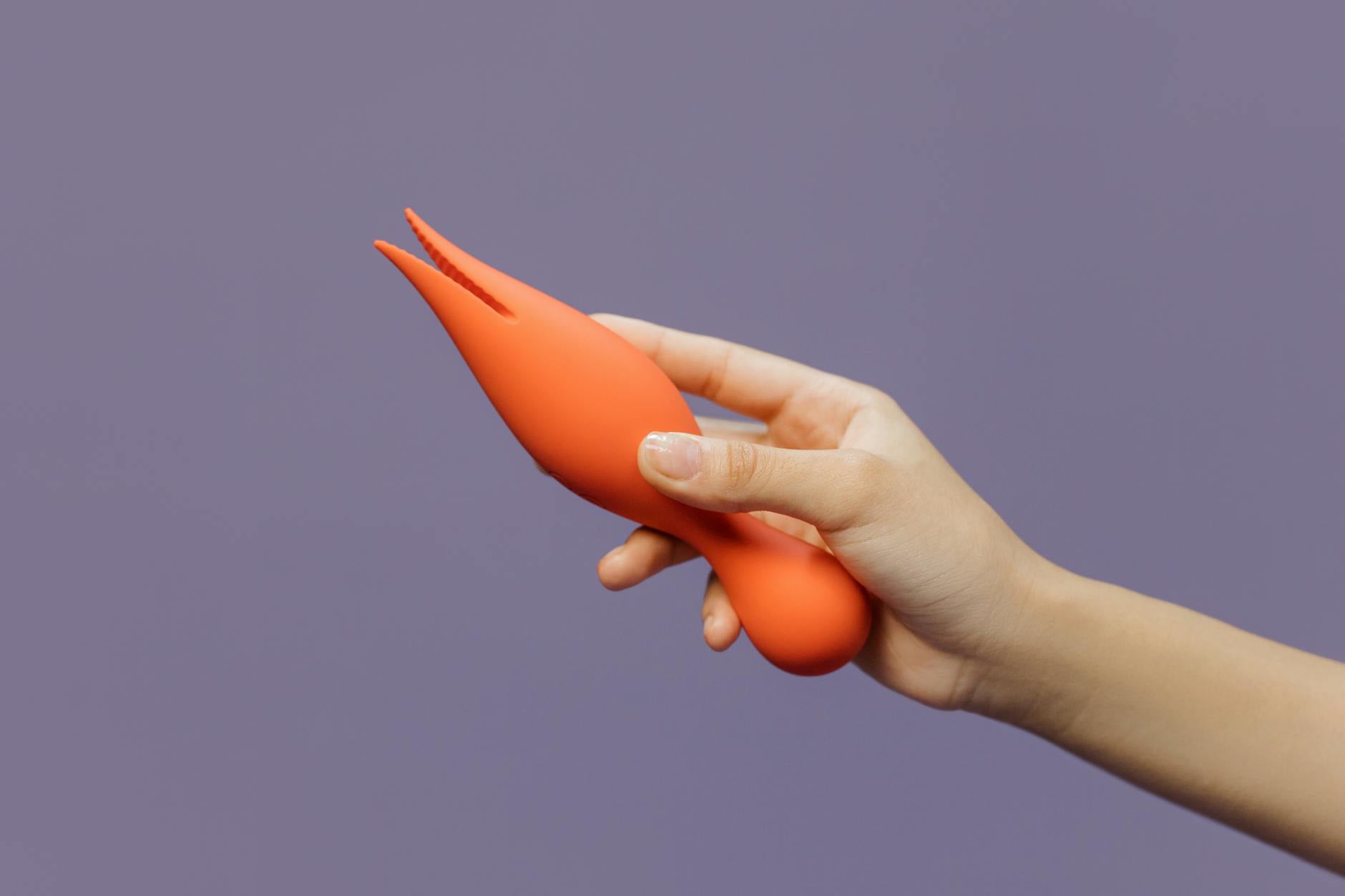
Lemon clitoral vibrators often become that tool. Not because they're magic. Because they're designed for precision, respond exactly to what you direct them to do, and let you explore sensation at your own pace.
Why trauma rewires your pleasure circuits
Here's what happens physiologically when sexual trauma occurs: your nervous system registers the experience as a threat, and it protects you by creating associations. Certain sensations, positions, textures, or even smells can trigger a fear response that has nothing to do with what's happening right now.
Your body isn't broken. It's doing its job. It's being cautious.
But caution can turn into avoidance. Avoidance turns into disconnection from your own sexuality. And disconnection, over time, starts to feel like a permanent loss.
It's not. What's happened is your nervous system has learned to guard what's yours. Teaching it that solo pleasure is safe, consensual, and entirely under your control is the entry point back.
The neuroscience of pacing and why slow wins
Trauma recovery happens in the nervous system, not in the mind alone. This matters because it means willpower and positive thinking aren't enough. Your body needs to learn that it's safe through repeated, gentle, positive experiences.
Each time you explore sensation on your terms, without pressure or expectation, you're sending your nervous system a specific message: I am in control. This is safe. My pleasure is mine.
That message needs repetition. It needs to land in your body through sensation, not just logic. This is why pacing is non-negotiable and why self-directed exploration beats partner-directed exploration early on.
When you use a lemon clitoral vibrator solo, you're not performing. You're not managing someone else's experience. You're not navigating power dynamics. You're learning what your body feels like when it's truly, only yours.
Starting where you actually are
Here's what most people get wrong about rebuilding: they think it looks like a straight line back to "normal." It doesn't. It looks like this:
Weeks one through four: touching yourself fully clothed, no goal beyond noticing sensation. Maybe a lemon vibrator held outside clothing for three minutes. No expectation of arousal.
Weeks five through eight: moving to bare skin, same vibrator, same low-pressure exploration. You're teaching your nervous system that touch is safe. That's the whole job.
Weeks nine onward: gradually increasing intensity, duration, and mental engagement. You might use one of the Hello Nancy clitoral vibrators like the Lemon for longer periods. You're starting to notice what feels good again, not what you think should feel good.
This timeline is flexible. Some people move faster. Most move slower, and that's wise. Rushing creates pressure, and pressure triggers the exact nervous system response you're trying to undo.
Why lemon suction vibrators work differently
Traditional vibrators create broad stimulation across a large surface area. For trauma recovery, that's sometimes too much sensory input. It can feel invasive or overstimulating.
Lemon clitoral vibrators use suction. That means they create rhythmic pressure and release, which mimics natural sensation more closely and gives your nervous system clearer feedback. You're not confused about what's happening. The sensation is distinct, patterned, and precise.
That precision matters psychologically too. When you're rebuilding trust in your body, you want to know exactly what to expect. Lemon vibrators deliver predictable sensation. No surprises.
Start on the lowest setting. Many trauma survivors find that even gentle suction feels more intense than expected initially. That's normal. Your nervous system is hypersensitive to genital sensation right now. It will recalibrate as you practice.
The consent conversation with yourself
This sounds abstract, but it's foundational. Before you use any tool for pleasure after trauma, you need to establish a clear internal consent practice.
That means: Can I stop whenever I want? Yes, absolutely, without guilt or explanation. Am I doing this because I want to or because I think I should? Honest answer only. What are my boundaries today, and is that different from yesterday? Both are fine.
Write these down if it helps. Some clients keep a small journal where they note what they explored, how it felt, and what they want to try next. The act of recording it reinforces agency.
When you use a lemon vibrator, this consent framework means you're practicing autonomy. You're the one deciding intensity. You're the one deciding when to stop. You're the one noticing what feels good.
That experience of total control is healing in itself, separate from whether you reach orgasm.
When to bring a partner back in
There's no universal timeline. Some people are ready for partner touch after months. Some take years. Your timeline is the right one.
When you do invite a partner back in, the reintegration works best if it happens in stages. Solo exploration with lemon clitoral vibrators first. Then partner presence in the room while you explore solo. Then partner touch that mirrors what you've been doing to yourself. Then gradual escalation.
This might feel slow. It's actually the fastest path to reclaiming shared pleasure because you're not re-traumatizing yourself by moving too fast.
If you're partnered and in recovery, a crucial conversation is: Can we separate pleasure from performance? Can we spend weeks on touch that has no goal? Can you help me feel safe instead of sexy right now?
Partners who understand this shift often say it deepens their own sense of purpose and presence.
Grounding tools you'll need alongside vibrators
Physical tools are half the equation. The other half is nervous system regulation.
When you're rebuilding, solo pleasure sessions can sometimes trigger unexpected emotional responses. You might get tearful, anxious, or numb. This is common. It doesn't mean you're doing it wrong.
Keep grounding tools nearby: an ice cube to hold, a scent you love, a soft blanket, your phone on do-not-disturb, the knowledge that you can stop anytime.
Some clients find that pairing lemon vibrator exploration with breathwork helps. Slow inhale for four counts, hold for four, exhale for six. This signals safety to your nervous system.
Others pair exploration with journaling afterward, movement, or time outside. The tool that helps you integrate the experience varies. Experiment.
When to get professional support
You don't need a therapist to use a lemon clitoral vibrator for pleasure. But if any of these apply, professional support will accelerate your recovery:
You experience significant panic, flashbacks, or dissociation during or after solo exploration. You feel stuck in avoidance and can't identify why. You want support processing the emotional dimensions of trauma. You're partnered and struggling to communicate about sex. You're using substances to manage anxiety around intimacy.
A therapist trained in trauma (EMDR, somatic therapy, or trauma-informed CBT) can work alongside your solo practice. They're not here to prescribe pleasure. They're here to help your nervous system recalibrate.
The truth about reclaimed pleasure
Here's what I see happen when clients stick with slow, self-directed exploration: they discover that their capacity for sensation, arousal, and orgasm returns. Not immediately. Not in a straight line. But it returns.
Most report that their relationship with pleasure becomes more intentional afterward. Less automatic, more chosen. Some say their orgasms are actually more intense because they've learned to notice subtle sensation. They're present.
Your pleasure is yours to reclaim. Lemon vibrators, alongside patience and professional support where needed, are one of the kindest ways to do it.
FAQ
Is it normal to feel disconnected from arousal in the first weeks of exploration?
Completely normal. Your nervous system is learning that sensation is safe. Arousal will follow, but it doesn't come first. Some clients explore for weeks without feeling "turned on" and then suddenly, unexpectedly, arousal clicks back in. That's the pattern. Patience comes before pleasure.
Can I use a lemon clitoral vibrator if I'm not ready for full arousal yet?
Absolutely. In fact, this is how most people rebuild. You're using the vibrator to learn that touch is safe, not to chase an orgasm. Many trauma survivors find that removing the pressure to climax actually makes it easier for pleasure to return.
What if I have flashbacks during solo exploration with a lemon vibrator?
Stop immediately. There's no prize for pushing through. Your nervous system is telling you something. Ground yourself, step away, and try again another day or at a slower pace. A trauma-informed therapist can help you identify what's triggering and develop strategies to move past it.
Do I need to tell my partner I'm using lemon vibrators for healing?
If you're partnered, this conversation often helps. It frames your solo exploration as part of recovery, not secrecy. It also invites them to understand your timeline. But you don't owe anyone access to your intimate choices. Your solo practice is yours alone.
How long does it take to rebuild sexual confidence after trauma?
There's no universal timeline. Some people feel significant shifts in months. Others take years. Healing isn't linear. Setbacks happen. Progress isn't always visible. What matters is that you're practicing autonomy consistently and working with a professional if trauma is severe.
Can lemon vibrators alone heal sexual trauma?
No. Lemon clitoral vibrators are a tool for practicing safe self-pleasure and nervous system recalibration. Real healing involves processing the trauma itself, usually with professional support. The vibrator is one component of a larger practice that includes therapy, grounding, and time.
Moving forward
Reclaiming pleasure after sexual trauma is one of the most courageous things you can do. It's not about forcing yourself back to where you were. It's about discovering that your capacity for sensation, arousal, and orgasm is still there, waiting for you to feel safe enough to access it again.
Start small. Go slow. Let your nervous system learn at its own pace. When you're ready, consider reaching out to a therapist who specializes in trauma so you have professional support alongside your solo practice.
Your pleasure is worth this time. You're worth this time.