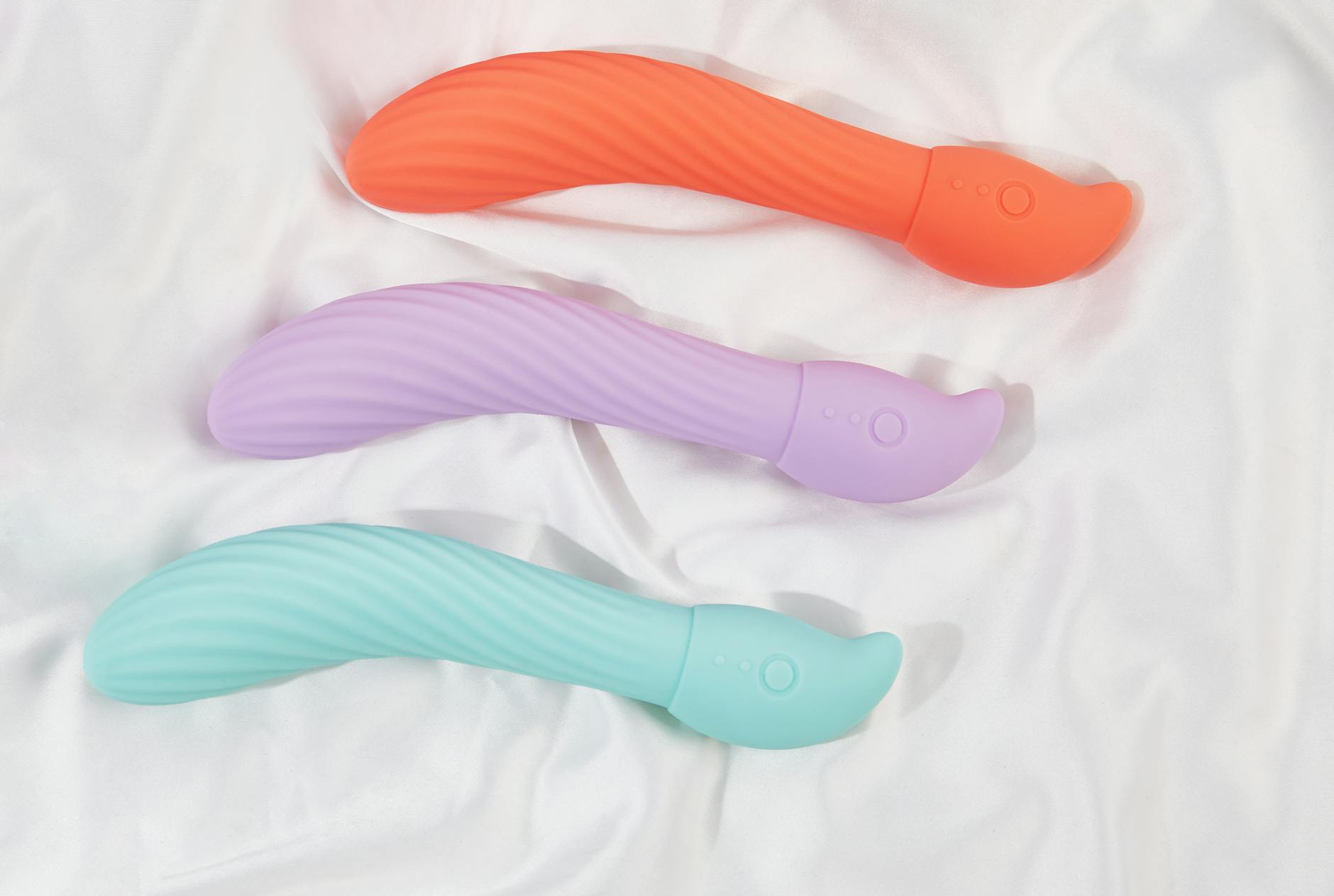
Let's talk about the thing nobody mentions
Divorce ends a marriage. It also ends a particular version of your sexual self. That's not dramatic. It's just true, and it matters because rebuilding pleasure after divorce isn't just about finding the right toy. It's about reconnecting with your own body when that body may feel foreign to you for the first time in years.
I work with clients navigating this transition constantly. The emotional terrain is complicated. But the physical part? That's actually where some genuine healing happens.
Why solo pleasure feels different after divorce
Here's what I observe clinically. During a long-term relationship, your body learns patterns shaped by another person. You know what your partner prefers. You anticipate their timing. Sex becomes a duet, which is beautiful, but it means your own rhythm gets partially overwritten.
Divorce strips that away. Suddenly you're alone with your own body again, and it can feel like meeting a stranger. Some clients describe it as grief. Others describe it as liberation. Usually it's both at once.
What matters for rebuilding: you're not trying to recapture pleasure from before the relationship. You're discovering pleasure as you are now. Different age. Different body. Different priorities. Different nervous system.
The emotional groundwork comes first
I want to be direct about this. If you jump straight to a lemon clitoral vibrator without doing any emotional work, you might feel disappointed. The toy isn't the problem. You are not broken. But pleasure lives partly in the brain, and if your brain is running a loop of "I should feel shame about this" or "This is too weird for me," no toy fixes that.
Three things I recommend before you even order:
Separate sex from your ex. This sounds obvious until you're lying alone and suddenly remembering something your ex said about your body, or you're anxious that solo pleasure means you wanted something different from what the relationship provided. You probably didn't. Your body just wanted to feel good, and that's actually unrelated to the person who left.
Give yourself permission to be curious, not shameful. Shame kills pleasure faster than anything. Curiosity opens it. The difference: "I'm a bad person for wanting this" versus "I wonder what this feels like." That shift is not small.
Understand that solo pleasure is not a replacement. Some clients worry that vibrators mean they're giving up on partnership. False. Knowing your own body makes future partnerships better, not worse. You'll know what you want. You'll communicate it clearly. That's a gift to any future partner.
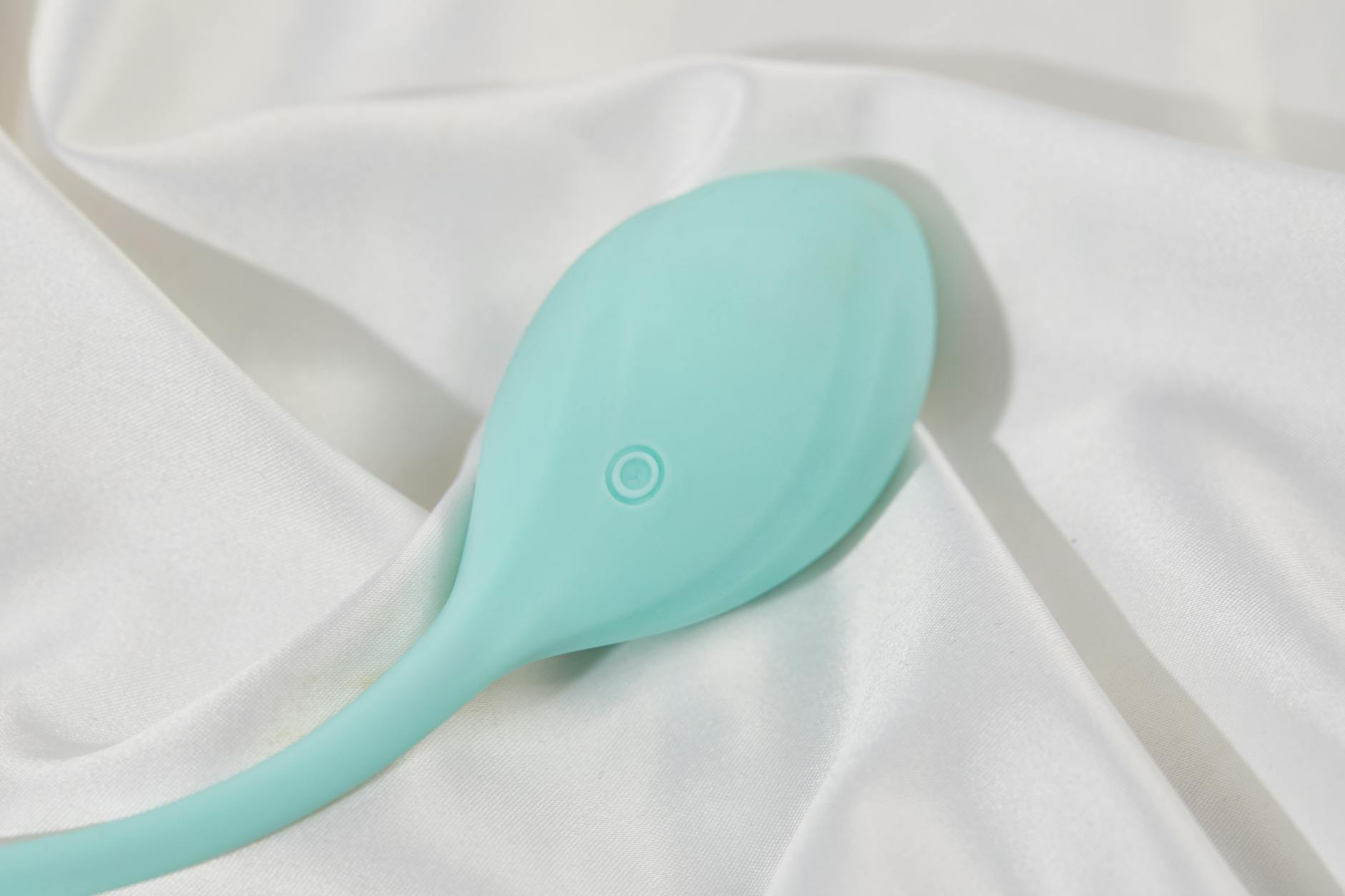
Photo by IFONNX Toys on Pexels
Why lemon vibrators work particularly well for this transition
I mention lemon clitoral vibrators specifically because suction-based toys like the Lem create a completely different sensation than what you may have experienced during partner sex. That difference is actually a feature.
When you're rebuilding sexual confidence, a sensation that's unfamiliar can be grounding. It pulls you out of old patterns and into the present moment. You're not comparing it to your ex because there's literally nothing to compare it to. You're just experiencing it.
Lem vibrators and similar suction toys also give you control in a way that feels empowering. You control the intensity. You control the rhythm. You control when you start and stop. That agency matters after a relationship where sex may have been more about compromise.
Another practical note: lemon sucker vibrators don't require you to touch yourself in a way that feels vulnerable if you're not ready. The sensation is more diffuse. Some clients find that less psychologically triggering than direct clitoral stimulation early in the rebuilding process.
Building a sustainable solo pleasure practice
I use the word "practice" deliberately. This isn't about a single session where you figure it all out. It's about creating a ritual that works for your life now.
Start with low expectations. Your first session with a lemon clitoral vibrator should not have "achieve orgasm" as the goal. The goal is "feel something pleasurable without guilt." That's it. Orgasm is a bonus if it happens. It's not the point.
Set the scene in a way that feels safe. Not romantic necessarily. Safe. That might mean locking the door. It might mean putting your phone in another room. It might mean lighting a candle or it might mean just lying in bed on a Tuesday afternoon. Whatever makes your nervous system feel calm.
Take your time with exploration. Lemon vibrators have multiple intensity levels for a reason. You don't need to jump to the highest setting. Spend three or four sessions just experimenting at lower intensities. You're building familiarity with your own body again.
If you don't orgasm, that's information, not failure. Some people take weeks to reconnect with orgasm after a major relationship ends. Your nervous system is reorganizing. That's not broken. That's normal.
Reframing pleasure as self-care, not indulgence
Here's something I tell my clients directly: your body is not a luxury item. It's the only one you get. Caring for it physically, including sexually, is basic maintenance. It's not indulgent. It's not desperate. It's necessary.
This mindset shift changes everything. When you stop thinking of solo pleasure as something you're doing because you're lonely or broken, and start thinking of it as something you're doing because your body deserves attention, the whole experience becomes different.
You take longer. You show up for yourself. You're not rushing. You're not checking your phone. You're present, which is the thing most of us stopped doing in our marriages long before the divorce happened.
When to bring a partner back in
Some people jump into dating immediately post-divorce. Others wait years. There's no correct timeline. But if and when you do want to share sex with someone new, having rebuilt your own pleasure first is genuinely valuable.
You'll know what you like. You'll be less anxious. You won't be using sex to fill an emptiness that's actually about missing the relationship. You'll be choosing sex from a place of genuine desire.
If you want to involve a new partner, knowing that you have a practice with a lemon vibrator already isn't threatening to them. Most partners find it genuinely attractive. You know your own body. You can direct them. You have confidence. Those are all things that make sex better for everyone involved.
The permission you're actually looking for
I'm going to name something directly because a lot of clients are waiting for me to say it.
You don't need permission. You're an adult. Your body is yours. Using a clitoral vibrator is not wrong. It's not weird. It's not a sign that something was missing from your marriage. It's not a referendum on your ex or your failed relationship. It's just a tool for pleasure, which you are completely entitled to experience.
If you carry shame about that, work on it. That's the part worth examining. The toy itself is fine. Your desire for pleasure is fine. You are fine.
FAQ
How long after divorce should I start using vibrators for solo pleasure?
There's no correct timeline. Some people are ready weeks after separation. Others need years. The question isn't "when is it appropriate" but "when do I genuinely want to." Don't use vibrators because you think you should. Use them because your body is asking for attention. That could be immediately. That could be later.
Will using a lemon clitoral vibrator make it harder to orgasm with a partner later?
No. Actually the opposite. People who know their own bodies and their own pleasure responses have better sex with partners, not worse. You're not training your body to need vibrators. You're training your mind to recognize pleasure without shame. That's only helpful in future relationships.
Should I tell a new partner that I use lemon vibrators?
You don't owe anyone that information immediately. But eventually, yes. Most people are curious or enthusiastic about it. If a partner responds negatively to you caring for your own pleasure, that's useful information about their confidence and maturity, and it's better to know early.
What if I use a lemon sucker vibrator and don't feel anything?
That happens. It doesn't mean you're broken or numb. It might mean you need a different type of stimulation. It might mean you're too anxious. It might mean you need more warm-up time. It might just mean that particular toy isn't for you. Try a different intensity level or a different toy. Your body will tell you what works.
Can solo pleasure practice help me heal from the emotional pain of divorce?
It won't heal the divorce pain directly. But rebuilding a relationship with your own pleasure helps rebuild confidence and self-worth, which are both usually damaged by divorce. It's part of the healing package, not the whole thing. Therapy, time, and good friendships are also necessary.
Is there a "right" frequency for solo pleasure practice after divorce?
Whatever feels good. Some people build a daily or weekly practice. Others use vibrators occasionally, when they feel the desire. Neither is more healthy. You're not training yourself. You're listening to what your body wants. That changes over time and that's fine.
Moving forward
Divorce is an ending. But it's also a reset. Your body gets to experience pleasure differently now. Quieter, maybe. More intentional. Without the shape of another person's needs in it.
Lemon clitoral vibrators are a tool for that rediscovery. A good one, because they're designed thoughtfully and they create sensations that feel genuinely new. But the real work is the permission. The permission to care for yourself. The permission to feel good. The permission to be sexual in a way that's just for you.
That's the work. And it's worth doing.
If you have questions about rebuilding intimacy or pleasure after major life changes, I'm here to help. Reach out at /contact anytime.