Here's the thing nobody tells you about hormonal birth control and pleasure
Your birth control doesn't kill your sex drive. But it absolutely changes how your body responds to stimulation, when you feel most aroused, and whether you even want to orgasm on a given day. Most conversations about hormonal contraception focus on preventing pregnancy or managing side effects like mood swings and headaches. Almost nobody talks about what it does to your clitoris and your capacity for pleasure.
This matters because if you're using lemon vibrators or any clitoral vibrator while on hormonal birth control, understanding these shifts means the difference between a tool that feels perfect and one that leaves you frustrated. Let me walk you through the actual science, and then the practical adjustments that work.
How hormonal birth control alters arousal
When you take a hormonal contraceptive—whether it's the pill, patch, ring, shot, or implant—you're introducing synthetic versions of estrogen and progestin into your body. These hormones do what your ovaries normally do: they prevent ovulation by keeping your natural hormone levels flat and steady.
Here's what that flatness means for pleasure: your body is no longer cycling through peaks and valleys. If you've ever noticed that you feel more interested in sex around ovulation, that sensation is real. During that window, your estrogen spikes, your testosterone temporarily rises, and your vulva actually has more blood flow. Your clitoris engorges more quickly. Orgasms build faster.
Hormonal birth control eliminates that spike. Your arousal baseline stays consistent, which sounds like it should be neutral or good. But for many people, it means arousal takes longer to build. Some describe their usual turn-on as feeling dampened or flatlined. Others say they feel desire but struggle to reach orgasm, even with a partner or a toy they've always loved.
The research backs this up. Studies show that people on hormonal birth control often report lower desire, reduced genital sensation, and longer times to orgasm compared to their pre-pill baseline. Not everyone experiences this. Some people feel no difference at all. But if you're noticing your lemon clitoral vibrator isn't hitting the same way it used to, or arousal feels like pushing a boulder uphill, hormonal contraception could be the reason.
Why the Lem and other suction vibrators work particularly well
Traditional vibrators rely on speed and intensity to build sensation. If your baseline arousal is already dampened by hormonal contraception, chasing intensity can backfire. Your tissues get desensitized. The stimulation feels numb instead of building.
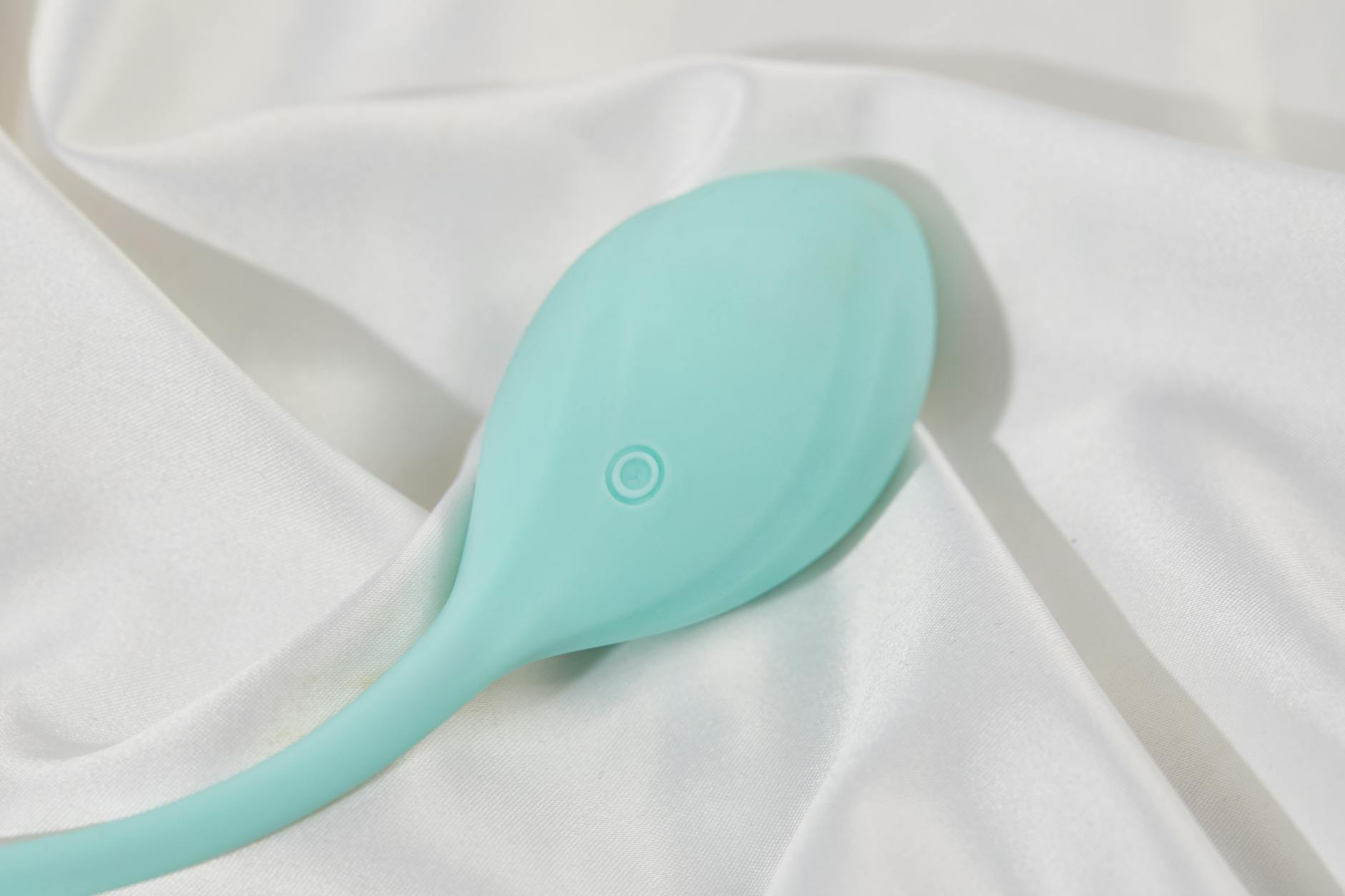
Clitoral suction vibrators like the Lem work differently. Instead of vibrating your clitoris directly, they use gentle air-pulse technology to create a rhythmic suction pattern. This stimulates the thousands of nerve endings in your clitoral complex without requiring you to already be highly aroused. The sensation is often described as fuller and rounder than traditional vibration, and crucially, it works at lower intensity levels.
For people on hormonal birth control who need more time to warm up, this is a major advantage. You can start at pattern one—which feels almost subtle—and gradually increase as arousal builds. You're never fighting against numbness because you're using a tool designed to work with arousal that takes time to arrive.
Timing your pleasure around your pill cycle
If you're on a traditional 21-on, 7-off birth control pill, you do still have a cycle, sort of. During those seven days off the pill, your hormone levels drop. Some people report that their arousal and sensitivity rebound during the placebo week. It's not the same as natural ovulation, but it's something.
If you're using the pill and you notice patterns—like one week feeling more aroused or more responsive than others—tracking that in a journal for two or three cycles is useful. You might find that using your lemon vibrator midweek or during your off-week yields better results. For people who've really struggled with pleasure on hormonal birth control, this small pattern shift can feel meaningful.
For extended-cycle pills (ones you take continuously for 10 or 12 weeks), there's no placebo week at all, so this advantage disappears. Same for the patch, ring, shot, and implant. The hormones stay consistent across the entire cycle. If you're on one of these methods and arousal feels totally flatlined, talk to your doctor about whether switching to a pill with a traditional 21-on, 7-off schedule might help. It's not guaranteed to fix things, but it's worth exploring.
The warm-up timeline shifts
Here's a practical change: budget more time. If you usually took 10 minutes to feel ready before picking up a toy, expect 20 minutes now. This isn't a problem—it's information. Some people panic and think something is broken in their body. Then they adjust their expectations, give themselves more foreplay time, and suddenly the experience works again.
Warm-up can look like anything: solo touching, partnered touch, reading something arousing, fantasizing, a video, whatever gets your mind engaged. The point is to let your body have the time it needs to respond. Starting with your lemon clitoral vibrator before your body has actually signaled readiness is like pressing the gas pedal on an engine that hasn't warmed up yet. You'll spin your wheels and feel nothing.
Once you're actually aroused (blood flow is there, you're lubricated, your clitoris has swelled), the Lem and similar suction tools often work faster than traditional vibrators for reaching orgasm. So the buildup takes longer, but the payoff is often quicker once you're actually ready.
Lubrication matters more than you might think
Hormonal birth control can slightly reduce natural lubrication for some people. Not dramatically for most, but enough that adding external lubricant transforms the experience. Use a water-based lube because it's compatible with silicone toys, and it won't leave a sticky residue.
Lubricant does two things here: it reduces any friction that might feel uncomfortable, and it actually helps suction tools work better. The seal between the toy and your skin needs a tiny bit of slip to feel right. If you're using a lemon vibrator and the sensation feels harsh or overstimulated, try adding lube and starting at a lower intensity. The softness of the sensation usually improves immediately.
What doesn't change
Your capacity for pleasure doesn't disappear. Your orgasm potential is still there. Hormonal birth control can make the path to orgasm longer or harder, but it doesn't lock the door. What you're dealing with is a shift in the timeline and intensity required to get there, not an actual loss of function.
Your clitoris still has around 8,000 nerve endings. Your brain still processes arousal. Your ability to enjoy sensation and reach climax remains intact. You're just working with a different operating system for a few years, and that system needs different inputs.
When to consider switching methods
If you've given yourself a solid two or three months on a hormonal method and pleasure remains severely dampened, a conversation with your doctor is worth having. Progestin-only methods like the mini pill sometimes have different effects than combined pills. Copper IUDs (non-hormonal) might restore your original arousal patterns. Some people find that switching pill brands helps, since different formulations have different hormone ratios.
This doesn't mean you have to switch. Some people stay on hormonal birth control because the contraceptive reliability and other health benefits outweigh the pleasure shift. But you deserve to know all your options, and a good doctor will explore them with you.
The emotional layer matters
When pleasure changes, especially during what people often assume should be their prime sexual years, it's easy to panic. You might wonder if something is broken, if your partner isn't attractive anymore, if you're broken. You're not. Your contraceptive choice is simply dampening one of your body's systems. That's fixable through timing, technique, tools, and sometimes method switching.
If you're with a partner, name this out loud. "My pleasure timeline has changed because of my birth control, and I need more warm-up time." That's information they need in order to show up well. If you're solo, it's permission to take more time without judgment. Your body isn't slow. It's just operating under different chemical conditions.
Many of my clients find that switching to a lemon clitoral vibrator specifically helps because it feels less clinical and more playful than traditional vibrators. There's something about the shape and the air-pulse sensation that feels less like forcing pleasure and more like inviting it. Your mileage may vary, but it's worth a try if you're looking to reclaim pleasure while staying on contraception you trust.
People also ask
Can hormonal birth control permanently reduce sensitivity?
No. Sensitivity bounces back once you stop hormonal contraception. Some people report that it takes a few months for baseline arousal to return to its previous levels, but the change is not permanent. Your neurological capacity for pleasure remains intact; you're just working with different hormone levels while the contraceptive is active.
Does every type of lemon vibrator work the same way on hormonal birth control?
Not exactly. Air-pulse clitoral suction vibrators (like the Lem) tend to work better for people experiencing arousal dampening because they don't require you to already be intensely aroused to feel good. Traditional vibrators rely more on friction and speed, which can feel numb if sensitivity is already compromised. Suction tools generate sensation through a completely different mechanism, which is why they often feel like a breakthrough for people on hormonal birth control.
Is it normal to need lubrication while on hormonal birth control?
Completely normal. Hormonal contraception can slightly reduce natural lubrication. Adding water-based lube isn't a sign something is wrong with you. It's just adapting to how your body is responding right now. Lube improves sensation and reduces any friction, making your lemon vibrator feel better overall.
How long does it take to adjust pleasure patterns after starting hormonal birth control?
Every body is different. Some people notice changes within days. Others take weeks or months to fully adjust. Generally, giving yourself at least two to three pill packs (or two to three months for other methods) before deciding the change is permanent is reasonable. Your brain needs time to adapt too.
Does switching birth control brands help with pleasure?
Sometimes. Different pills have different hormone ratios and formulations. Progestin-only pills might affect you differently than combined pills. A copper IUD eliminates hormones entirely. Talking to your doctor about your specific concerns can help them recommend options worth trying. But there's no guarantee any particular switch will restore your baseline arousal.
Can I use a lemon vibrator while on the patch or ring?
Yes, absolutely. The patch and ring work the same way as the pill in terms of hormone delivery. They flatten your natural cycle just like the pill does, so the same adjustments apply. Budget extra warm-up time, use lube, and consider starting with lower intensity settings on your clitoral vibrator.
Using a lemon vibrator while on hormonal birth control isn't about fighting your body. It's about understanding it works differently now and choosing tools and techniques that work with that reality. The Lem, with its gentle suction approach, often feels like a natural fit for this exact scenario. Give yourself permission to take longer, need more foreplay, and use lube without shame. Your pleasure deserves attention, even when your contraceptive is working hard behind the scenes.
If you want personalized guidance on building pleasure routines that work with your specific birth control method, reach out to our team. We're here to help.