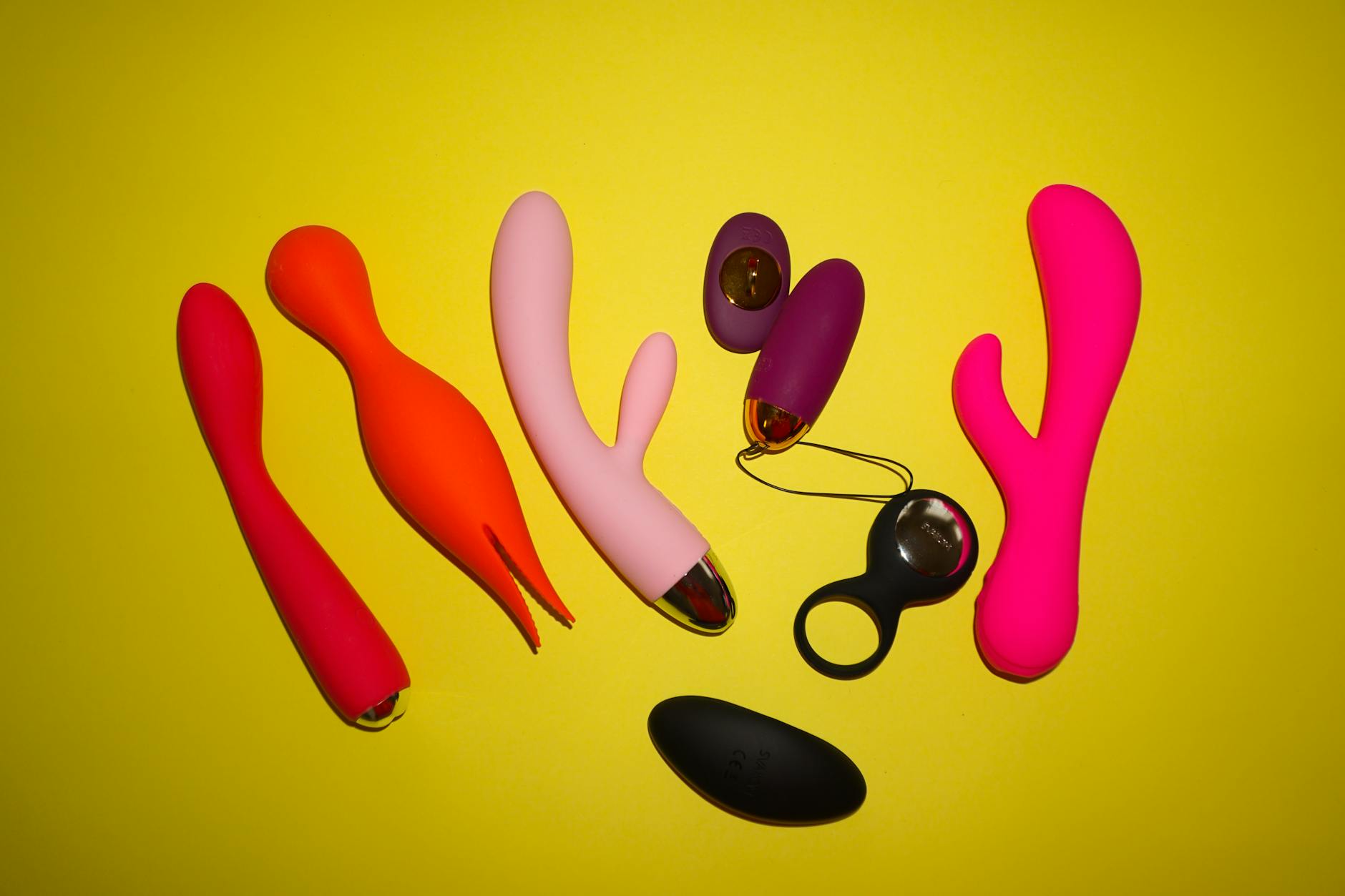
Let's talk about the timing question no one asks
Most pleasure conversations start with this assumption: arousal comes first, then you bring in tools. You get turned on, you reach for The Lem or another clitoral vibrator, you finish. But what if that's backwards? What if the vibrator itself is what helps arousal build in the first place?
Here's what I've seen in my practice: people who explore sensation early, before full arousal kicks in, often report deeper self-awareness, better communication with partners, and orgasms that feel less like a destination and more like a natural progression. The early exploration changes the whole experience.
Why sensation play before full arousal matters
Your body isn't a light switch that flips from off to on. It's a dimmer. Early arousal is when you're curious but not yet revved up, when your nervous system is still responsive but not flooded. This is actually the ideal time to notice texture, pressure, rhythm, and what actually works for your body.
When you wait until you're already deeply aroused, your sensitivity shifts. Blood flow concentrates, pressure preferences change, and subtle sensations get lost under the intensity of what's already happening. It's like trying to taste wine after eating spicy food. Not impossible, but you're missing information.
Using a lemon vibrator during early arousal gives you a map. You learn: Does suction feel better than vibration at the start? How much intensity can I tolerate when I'm just beginning? What rhythm actually builds arousal instead of just feels good momentarily? This information is gold when you're with a partner, because you can actually communicate it instead of guessing.
Photo by FounderTips . on Pexels
How to set yourself up for early exploration
Three logistics matter here. First: space and time. You're not racing to an orgasm, so you need actual time. Give yourself 20 to 30 minutes minimum, no phone, no pressure to finish. Early arousal exploration is about quality of attention, not quantity of stimulation.
Second: comfort baseline. Wear something you can remove easily, because you might want to experiment with different positions and angles. A clitoral vibrator like The Lem works best when you're positioned comfortably, so think about what supports your body. Reclined, propped on pillows, lying on your side. Don't fight gravity.
Third: lubrication. Even though you're exploring early arousal, your body might not produce much natural lubrication yet. Water-based lube isn't cheating. It's information. Using lube early tells you what sensations are possible when friction isn't a limiting factor. Use it.
Starting with the lowest intensity
This is where people mess up. They grab a lemon vibrator and immediately jump to pattern three or four because earlier posts told them that's how to use one. Wrong context. During early arousal, you start at pattern one. Maybe even pattern zero if your toy has a pre-vibration setting.
The reason is neurological. Your nervous system is still calibrating. Low intensity allows you to feel the sensation pattern itself. Is it a sustained buzz? Pulsing waves? Rapid micro-vibrations? You can't discern any of this if you jump straight to power.
Spend five to ten minutes at the lowest setting. Map the feeling. Notice whether you prefer the toy directly on your clitoris or slightly off to the side. Notice whether you want steady pressure or if you like to move the toy slightly. This isn't foreplay to get to the real thing. This is the real thing.
Pairing sensation exploration with breath and presence
Here's what separates early exploration from just regular use: conscious attention. As you're using The Lem or any clitoral vibrator, notice your breathing. Most people hold their breath during sexual activity. During early arousal exploration, try breathing slowly and deliberately. In for four, out for four.
Why? Because breath is directly connected to nervous system state. Slow breathing keeps you in your parasympathetic nervous system, which is where sensation registration actually happens. It also grounds you in the present moment instead of thinking about what comes next. You're not waiting for arousal to peak. You're interested in what's happening right now.
Notice temperature changes, skin sensitivity shifts, subtle shifts in where the sensation feels strongest. Your vulva isn't uniform. Some parts are more nerve-dense than others. Early exploration with a vibrator helps you map that for yourself.
How early exploration changes partnered sex
If you're in a relationship, this knowledge is transformative. You know what turns you on at the very beginning. You can tell your partner: "Start here, with this kind of pressure, while I'm still just curious." That changes everything about the dynamic. You're not waiting to be aroused by them. You're building arousal together, informed by what you actually know works.
One thing I see couples miss: they assume early arousal exploration is solo only. Not true. A partner can watch while you explore. They can learn your preferences. Then they can replicate some of that sensation with their hands or mouth. A lemon clitoral vibrator becomes a teacher for both of you.
If you want to involve a partner in the exploration itself, make it collaborative from the start. You guide the rhythm. You control intensity. You tell them what you notice. That keeps the focus on your sensation, not on performing.
What changes as arousal deepens
After you've spent 10 to 15 minutes exploring at low intensity, your arousal naturally starts to build. This is when you might increase the pattern on The Lem. But notice the difference. You're not jumping to high intensity out of impatience. You're increasing intensity because your body is asking for it. The sensation your nervous system can tolerate has actually changed.
During this deepening phase, many people find that the same patterns they were exploring gently now feel more electric. That's not the toy changing. That's your nervous system in a different state. This is useful information for future sessions. You know that pattern two feels exploratory early and intensely pleasurable 15 minutes in. That's the map.
You might also notice that your preferences shift. Early arousal, you wanted the lem vibrator on your left side. Mid-arousal, you want it more centered. That's your body telling you what it needs in real time. This is why sensation exploration is fundamentally different from just using a vibrator to reach an orgasm.
Building this into your regular practice
If this feels new or uncomfortable at first, that's normal. We're trained to think of sexual activity as goal-directed. Orgasm is the finish line. Reframing early arousal exploration as the content of the experience, not the setup, takes practice.
Start with one session per week where you commit to the 20 to 30 minute timeline and the low-intensity exploration. Don't judge what you notice. Don't aim for intensity or orgasm. Just notice. After four or five sessions, you'll have real data about what your body responds to at different stages of arousal.
Then you can bring that knowledge forward. Whether you're using The Lem solo or exploring with a partner, you're working from actual sensation memory, not guesswork. That's the entire difference.
FAQ
Can I explore early arousal sensation without a vibrator?
Yes, absolutely. Your hands work fine. A vibrator like a lemon clitoral vibrator is useful because it provides consistent stimulation that your hands can't maintain for 15 minutes without fatigue. But the principle is the same: start light, notice what feels good, let intensity build naturally.
What if I don't feel aroused during early exploration?
You might not feel aroused in the traditional sense. You might feel curious, tingly, more aware of sensation. Sometimes early arousal is subtle. That's not failure. That's you noticing the beginning stages. Arousal isn't always dramatic. Sometimes it's just increased awareness of your own body.
How is this different from mindfulness during sex?
It's adjacent. Mindfulness is about present-moment awareness without judgment. Early arousal exploration adds a practical element: you're specifically mapping sensation and preference. You're building knowledge you can use. That makes it more active than meditation, though both involve attention.
Should I explore early arousal sensation alone or with a partner?
Start alone if you can. You'll have fewer variables and can actually notice what your body is doing without thinking about someone else's experience. Once you know your own preferences, bring a partner into it if you want. Solo exploration builds the foundation.
What if early arousal exploration doesn't lead to orgasm?
Then stop aiming for it. Some sessions will build toward orgasm. Some won't. Early arousal exploration is valuable whether it culminates in orgasm or not. The goal is sensation mapping and presence. Orgasm might be the natural result, or it might not. Both are fine.
How does a lemon sucker like The Lem compare to traditional vibrators for early exploration?
Air-suction toys create a different sensation than vibration. They tend to feel more like a seal and pulse of pressure. Some people find this gentler to explore with early on because it doesn't numb the tissue the way sustained vibration can. Others prefer vibration from the start. Explore both if you can, and notice which one teaches you more about your body.
The long view
Early arousal exploration rewires how you think about your own pleasure. You stop treating sensation as something that happens to you and start treating it as something you're actively interested in mapping. That changes your confidence in bed with a partner. You're not hoping they'll figure it out. You already know. You're just inviting them to join what you've already discovered.