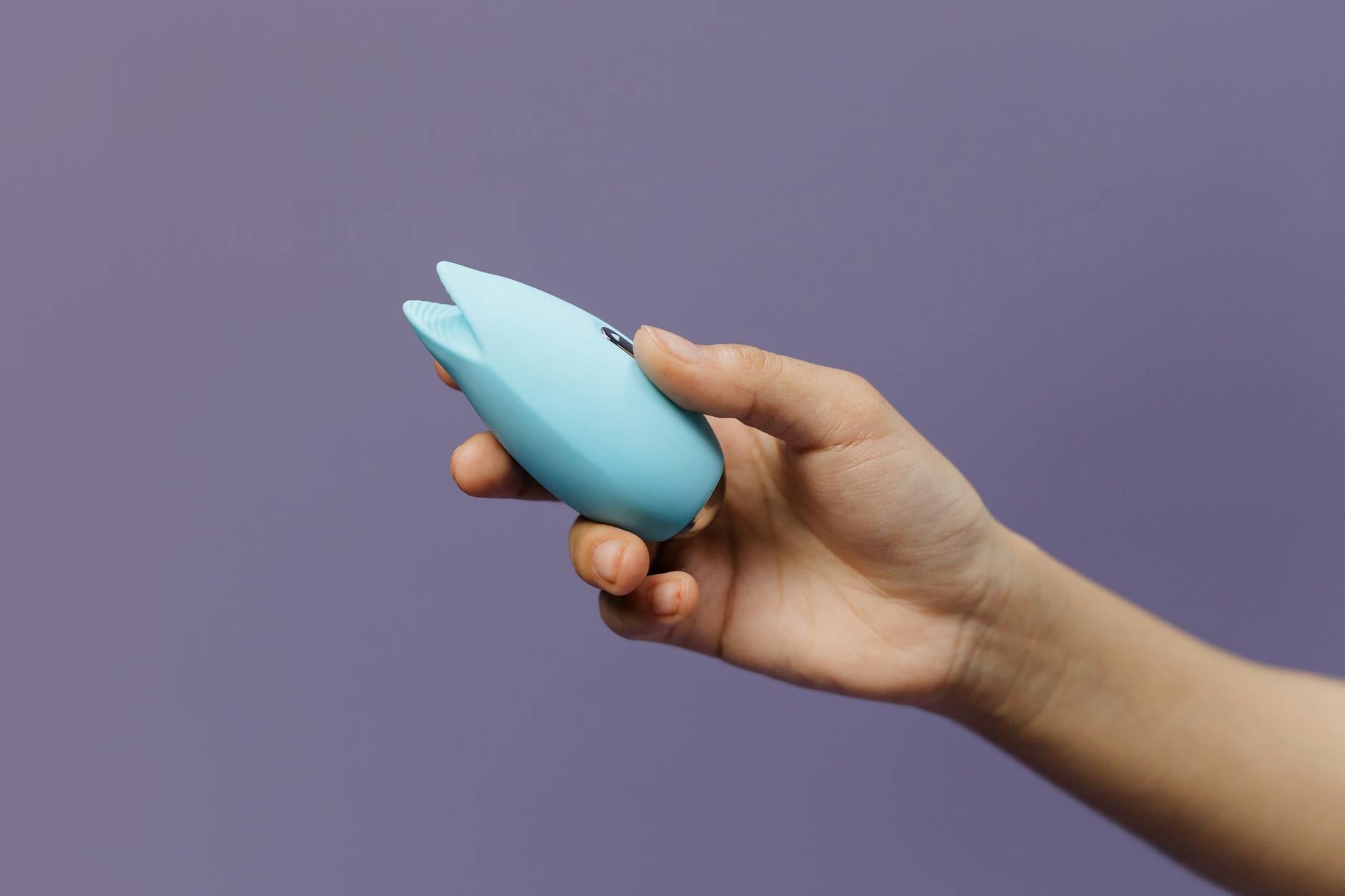
The conversation that feels harder than it actually is
You've thought about it for weeks. Maybe longer. The idea of bringing a lemon clitoral vibrator into your sex life with someone you've been with for years feels like you're saying something. That your partner isn't enough, or you've been faking it, or you want something different now. None of that is true. But the story you tell yourself can make it feel true enough that you don't say anything at all.
Here's what's actually happening. Long-term relationships have rhythms. Sex becomes familiar, sometimes predictable. That's not bad. It's just what happens when you've learned someone's body and they've learned yours. The problem isn't the relationship. It's that your body, your arousal, your what-turns-you-on has been quietly changing the whole time, and you've been adapting to fit the same rhythm instead of asking for a shift.
A lemon clitoral vibrator like The Lem isn't a replacement for your partner. It's a conversation starter. And that conversation, it turns out, is the part that changes everything.
Why this moment matters more than you think
Research on long-term couples shows something interesting. Sexual satisfaction doesn't decline because you've been together too long. It declines when one partner stops asking for what they actually want. When the unspoken assumption becomes "this is what we do" instead of "this is what we both want right now."
The longer you wait to introduce something like a lemon vibrator, the bigger and more loaded the conversation becomes in your head. Your partner starts to wonder if something's wrong. You start to feel resentful that you're not getting what you need. The vibrator, which is actually just a tool, becomes a symbol of something much bigger: the question of whether you matter enough to ask for pleasure differently.
Introducing it early, when you're thinking about it clearly and not frustrated, changes everything. It's not a crisis conversation. It's a logistics conversation. And logistics conversations are infinitely easier to have.
How to frame it in a way that doesn't trigger defensiveness
Your partner's brain will do what all brains do when they hear unexpected information. They'll fill in blanks with worst-case scenarios. So don't leave blanks.
Instead of: "I want to use a vibrator during sex" (which their brain reads as: you're not satisfied), try: "I've been thinking about adding something to our routine. I read about clitoral vibrators and I'm curious. Would you be open to exploring that together?"
The shift is subtle but important. You're not saying there's a problem. You're saying you're curious about a different experience. Curiosity is collaborative. Criticism is not.
Avoid phrases that trigger comparison anxiety: don't say "I can't get there without it" or "other partners I've had" or anything that makes your long-term partner feel like they're losing a competition they didn't know existed. Instead, focus on addition, not subtraction. "I think it might feel incredible for both of us" or "I want to see what happens when we try something new."
Pick a moment when you're both relaxed and clothed. Not in bed. Not when either of you is stressed. The shower, a walk, or sitting on the couch with tea. The randomness of the setting signals that this is a normal conversation, not a performance.
The first time you actually use it together
Talk about it beforehand so there are no surprises in the moment. Discuss whether you want your partner to hold it, whether you'll hold it yourself, or whether you both experiment with control. There's no "right" way. The right way is whatever you both actually want.
Start with the lower settings. The Lem has multiple patterns and intensities, and your body needs time to understand what this new kind of stimulation feels like. Your partner also needs time to adjust to the idea and watch your pleasure respond to something other than them. That's actually deeply hot for a lot of long-term partners, once they get past the initial self-consciousness.
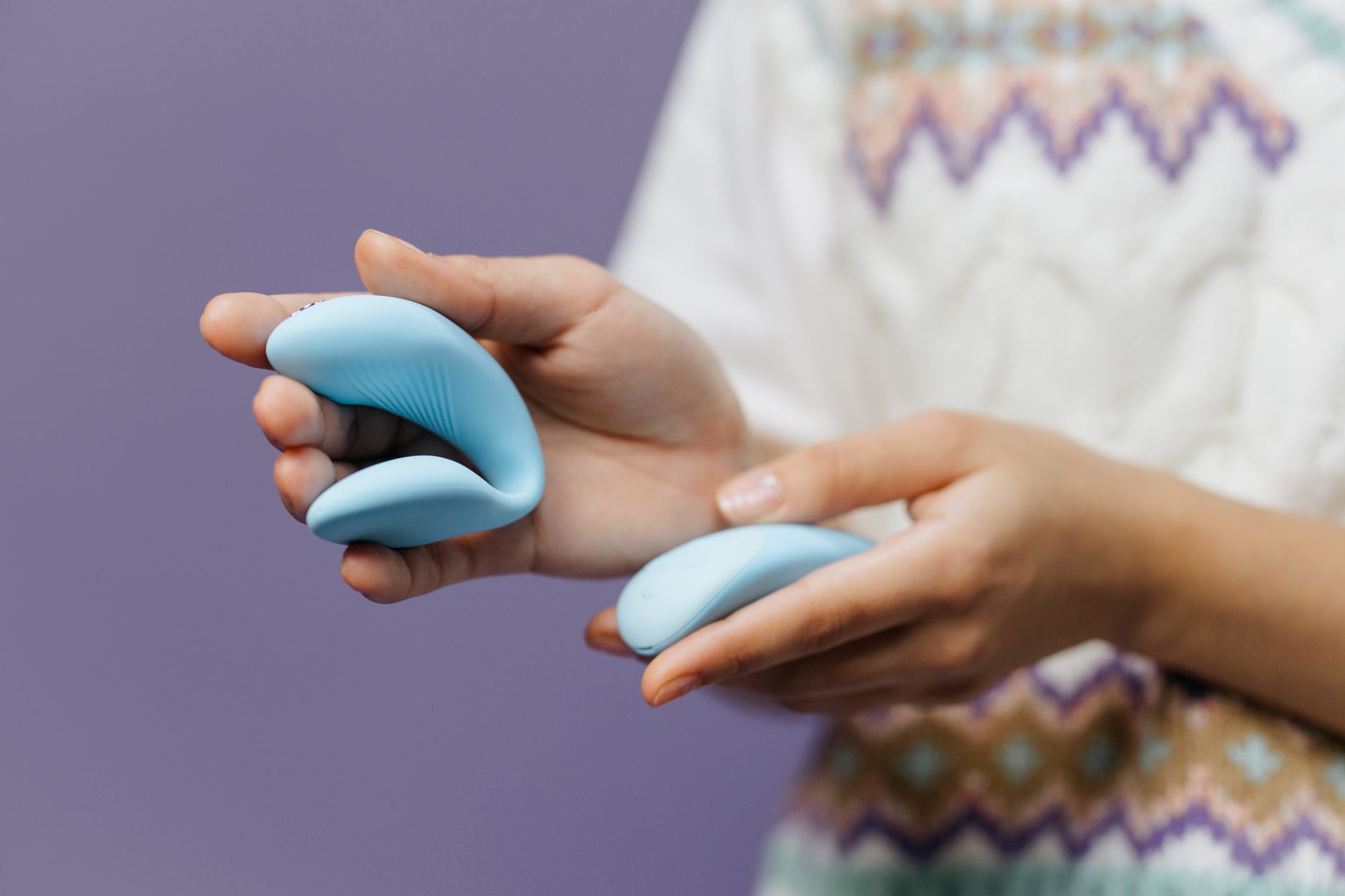
Photo by cottonbro studio on Pexels
If it feels awkward, that's normal. You're introducing a new object and new sensations. Awkwardness usually means you're doing something unfamiliar, not that something is wrong. Keep talking. "Does this feel good?" "What do you think?" "Should we try the next pattern?" The dialogue keeps it light and collaborative.
What changes once you get past the first time
Most long-term couples report that introducing a vibrator actually increases intimacy. Not because the vibrator is magic. Because asking for what you want, and being received without judgment, is intimate. Because watching your partner respond to a tool that makes you feel amazing, instead of feeling threatened, tells you something crucial. They care about your pleasure more than their ego.
That shift changes the whole temperature of sex. Suddenly you're not performing. You're not protecting their feelings. You're actually having the experience together, which is different. It's messier and more real and usually much hotter.
Your partner might also discover they want to explore things differently once they see you asking for pleasure without shame. Maybe they want to try a lemon clitoral vibrator during penetration, or focus on longer foreplay. Maybe they realize they want to talk about fantasies. You've opened a door that usually stays closed in long-term relationships, and once it's open, all kinds of honest conversations become possible.
Common worries, answered
Most long-term partners worry about one of three things. I'm going to name them.
First: "What if they think I don't want them anymore?" Your partner's insecurity is not your responsibility to manage by staying quiet about what you want. That's actually backwards. Staying quiet and then resenting them is what creates distance. Asking for what you need and giving them the chance to show up is what builds connection.
Second: "What if they want to use it all the time and sex becomes robotic?" That's a conversation to have explicitly. "I'm thinking we use this sometimes, not every time." You're not agreeing to anything you don't want just because you introduce it once.
Third: "What if they say no?" That's information too. A "no" that comes from genuine discomfort is different from one that comes from fear or defensiveness. If it's genuine discomfort, you respect it. If it's fear, you can often work through it with clear communication about what you're actually asking for and why.
How The Lem specifically helps the conversation
Clitoral vibrators like The Lem are actually easier to introduce than penetrative devices because they're clearly about external pleasure, not replacement. You're not asking your partner to use a penis substitute. You're asking them to experience your orgasm differently, which they get to watch and feel and be part of.
The suction design also feels different from traditional vibration. It's gentler and more targeted, which means you're likely to respond faster and more intensely. That visible response is actually really reassuring to a partner who's nervous about whether this will "work."
What if you've been together so long that everything feels stuck
If your relationship has drifted to the point where you're not sure how your partner would react, that's actually a sign that the conversation needs to happen. Not just about the vibrator. About sex, about desire, about whether you both still want to be in this with each other.
A vibrator won't fix a broken relationship. But the conversation around introducing one often reveals whether the relationship is actually broken or just dormant. Sometimes that conversation leads to better sex. Sometimes it leads to couples therapy. Sometimes it leads to the realization that you want different things. All of those outcomes are better than staying quiet.
The actual permission you need
You don't need your partner's permission to want better orgasms. You deserve them. What you need is a partner willing to be part of that. And most long-term partners, given clear communication and genuine invitation, are more willing than you think. They've been waiting for you to ask for something. To want something. To be vulnerable enough to say what actually turns you on.
That's not weakness. That's the most powerful thing you can do in a long-term relationship.
People also ask
How do I know if my partner will be receptive to using a lemon clitoral vibrator together?
The best way to know is to ask. But if you're looking for signals, receptiveness usually looks like curiosity and openness in other areas of your relationship. Does your partner ask what you want? Do they generally try new things? Do they seem interested in your pleasure beyond their own? Those are good signs. The opposite signals (dismissiveness about your preferences, resistance to change, discomfort with your sexuality) are also real information, and they might point to conversations that need to happen first.
What if my partner gets jealous or insecure about introducing a vibrator?
Insecurity is normal. Jealousy about an object is usually insecurity about whether they're enough. The antidote isn't avoiding the vibrator. It's reassurance plus action. Tell your partner specifically what you value about sex with them. Then introduce the vibrator not as a replacement but as an addition. Sometimes watching their partner's obvious pleasure and being part of creating it actually dissolves the insecurity faster than any amount of reassurance can.
Can we use The Lem during penetrative sex as well?
Absolutely. Many couples use external clitoral vibrators while having penetrative sex. It usually intensifies sensation for the person with the clitoris and often feels incredible for the penetrating partner too because of how the stimulation translates internally. This is something worth discussing beforehand so you're both ready for the sensations.
Should I use The Lem alone first before introducing it with my partner?
That's totally personal. Some people prefer to explore alone so they understand their own response. Others feel like introducing it together makes it feel less like a solo secret and more like a shared experience. Neither is wrong. But if you're nervous about it, solo exploration first gives you confidence and reduces the awkwardness of the first time with your partner.
How do I bring it up without making it seem like something's wrong with our sex life?
Frame it as evolution, not problem-solving. "Our sex has always been good. I've been thinking about what might make it even better." Or "I'm curious about trying something new." Avoid language that sounds like complaint: "We always do the same thing" or "This isn't working anymore." Keep it about what you want to add, not what's missing.
What if we try it and it doesn't feel good or isn't what we expected?
Perfectly normal. New sensations take adjustment. If it doesn't work the first time, don't give up immediately. But also don't force it. Maybe try it a few times with different settings or positions. If it genuinely doesn't feel good after genuine exploration, you can always set it aside without making it a thing. The bigger win is that you asked, your partner listened, and you stayed curious together. That matters way more than any single tool.