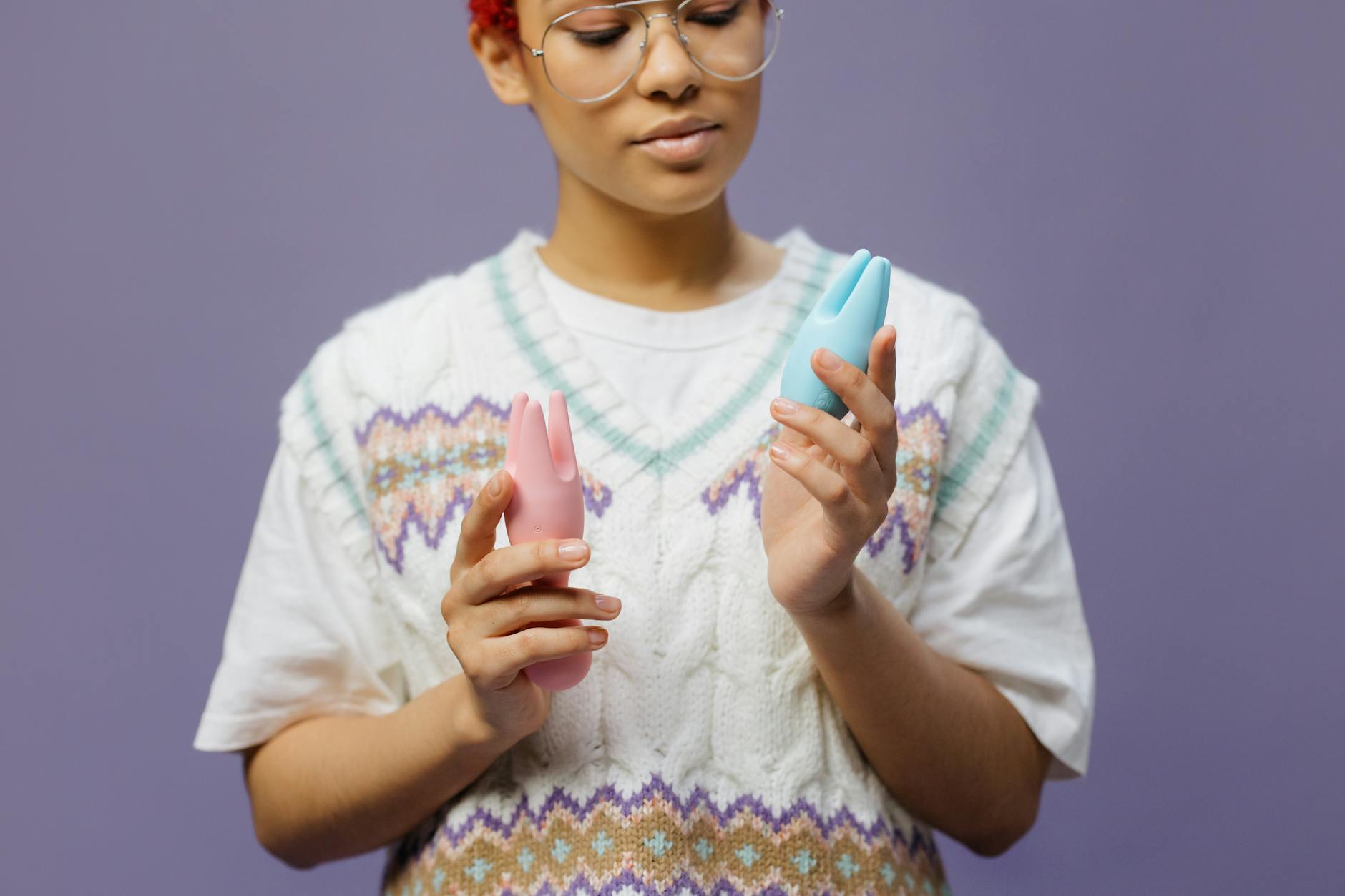
Here's the thing about new-relationship sex
You're trying to look like you know what you're doing while simultaneously figuring out what this person actually enjoys, whether they're going to judge you, and how much of yourself to reveal before they've earned it. That's exhausting. Adding a vibrator into that equation feels like asking someone to pass a test you haven't studied for.
So you don't mention it. You skip the clitoral vibrator. You settle for what feels safe, which often means settling for what doesn't work. The Lemon The Lem makes this conversation simpler than you think. Not easy. Simpler.
Why new-relationship awkwardness is actually real
There's a specific vulnerability that comes with starting over sexually. You're not rebuilding with someone who already knows your body, your preferences, or your quirks. You're introducing a stranger to all of it. That's not shame. That's just the reality of exposure.
Most people default to performing. You smile when you want to breathe. You wait for them to initiate what you actually want. You don't ask for what works because asking feels like criticism or, worse, like admitting you need something to have an orgasm.
That last part is where the lie lives. Needing a clitoral vibrator doesn't mean something's wrong with you. It means you understand your own body. That's intelligence, not dysfunction.
The awkwardness isn't about the vibrator. It's about whether you trust this person with the truth about what feels good.
The frame that changes everything
Don't lead with "I need this to come." Lead with "This is what I love."
There's a functional difference. One sounds like a problem. The other sounds like preference, which it is. When you say "I love how this feels," you're giving them information about pleasure, not handing them an instruction manual that proves you're broken.
Second frame: make it collaborative. Instead of presenting a vibrator in a moment of vulnerability (naked, already aroused, already committed), introduce it earlier. During a conversation. With clothes on. When you can actually speak in full sentences.
Try: "I've been thinking about what we could try together. I really like how clitoral vibrators work for me. Would you be open to incorporating something like that?" Not a question. A proposal. There's a difference. One asks permission. The other respects their opinion while making clear this is something you want.
Their response tells you everything. If they're dismissive, that's information. If they're curious, that's a partner. If they're excited, you've found someone safe.
How to actually introduce The Lem
If you're using a lemon clitoral vibrator like The Lem, you're working with something elegant and straightforward. No guesswork. The design is minimal enough that it doesn't require a lengthy explanation. It's a toy. You use it during partnered sex. It helps you feel more.
First time together:
-
Keep it visible but not central. Leave it on the nightstand where they can see it, but you're not forcing eye contact. Normalcy is the goal.
-
Let them ask about it first if they do. If they don't, you bring it up casually: "I brought this. Want to see how it feels?"
-
Show them how it works solo first, if you're comfortable. Not as performance. As education. "The suction pattern feels amazing on the clitoral hood, and the vibration intensifies after a few seconds." Matter-of-fact. Like describing a feature of a car you're about to drive together.
-
Use it during foreplay, not as a finale. Integrate it naturally into what you're already doing. Don't save it for the moment of failure. Use it when things are already working.
-
Communicate in real time. "That's incredible," or "Slower," or "I want your fingers and the vibrator at the same time." They can't read your mind. Your voice is the only guide.
When they're resistant (and what that means)
Some partners will feel threatened. Usually it's because they misunderstood the frame. They heard "I need this" as "You're not enough." That's on them to work through, but you can help by being clear upfront.
Other partners worry it's a reflection on them. It's not. You could have used a lemon vibrator in your last relationship. You could use one solo. The presence of The Lem says nothing about what you think of them.
If they stay resistant after you've explained the reality, that's data. It means their ego is more important than your orgasm. That's not a flaw in the relationship yet. But it's a pattern to notice.
A secure partner wants you to feel good. That's the minimum bar.
Why The Lem specifically works for this conversation
Lem vibrators are small. They don't announce themselves. They're not intimidating to look at, which matters because your partner's first impression shapes their openness. The suction technology feels different from traditional vibration, which means it reads as innovation, not as compensation for something missing.
You can also use it solo while they're in the room, which normalizes it. You're not hiding. You're not ashamed. You're simply doing something that feels good, and they're welcome to watch, help, or learn.
Clitoral vibrators of this quality also last longer, so you're not fumbling with batteries or suddenly losing power mid-arousal. Consistency matters when you're trying to feel safe.
The conversation after
Once you've used The Lem together, check in. Not in a heavy way. "That felt really good. Thank you for being open to it." Not: "Did that feel okay for you?" One affirms the pleasure. The other asks permission for your own body.
If they want to take a more active role (holding The Lem, directing it, controlling the pattern), let them learn your response. This is where partnership actually happens. Not in the perfect performance. In the willingness to pay attention and adjust.
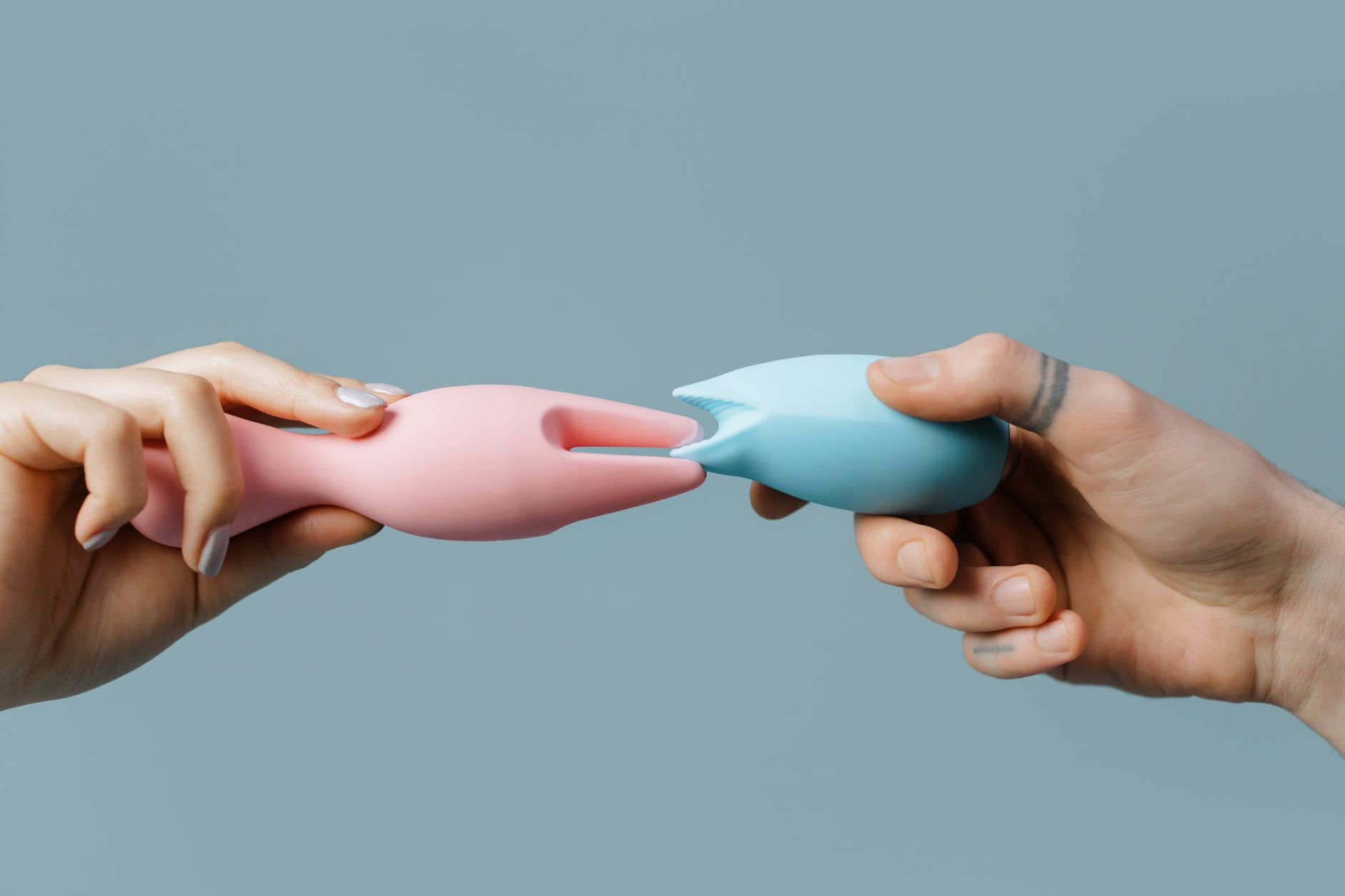
Photo by cottonbro studio on Pexels
The deeper truth
Acknowledging that you need a clitoral vibrator to reach orgasm isn't admitting weakness. It's modeling self-knowledge. When you do that in a new relationship, you're teaching your partner how to love you. You're also setting a standard: "I'm willing to prioritize my pleasure, and I expect you to be too."
That standard will serve you in every other conversation you have together. Money. Time. Boundaries. If you can't name what you need sexually, you won't name what you need anywhere else.
If you're worried about awkwardness, remember this: a partner who can't handle your honesty about pleasure isn't mature enough for an adult relationship. The vibrator isn't the problem. Incompatibility is.
Bring The Lem into the conversation not as apology but as invitation. You're saying: "Here's part of who I am. Are you interested?"
The right person will answer yes.
FAQ: New partners and vibrators
How do I bring up vibrators without making my new partner feel insecure?
Frame it as "This is what I enjoy" rather than "I need this because you're not enough." Timing matters too. Have the conversation clothed, not mid-arousal. Position it as information, not criticism. "I've always loved how clitoral vibrators feel, and I'd love to use one with you." That's factual, not judgmental.
What if my partner thinks vibrators mean our sex life is failing?
That's a misconception rooted in insecurity, and you can address it directly. "Using a vibrator is like me preferring a certain position or touch. It's not about what's missing. It's about what feels amazing." A secure partner understands that your pleasure and their desirability aren't zero-sum. One doesn't cancel the other.
Should I use The Lem solo first, or introduce it together from the start?
Either works, but introducing it solo first gives you confidence. You know exactly how it feels, what patterns work, and how to explain it. That confidence makes the conversation with your partner easier. You're not discovering it together; you're sharing something you already understand.
Is it weird to ask my partner to hold The Lem during sex?
Not at all. Many partners love the active role. It makes them feel included and gives them tangible feedback about what feels good. "Can you try this pattern?" or "Hold it right there" turns The Lem from your tool into your shared tool. That's where the real intimacy happens.
How long should I wait into a new relationship before introducing a vibrator?
When you're comfortable. That could be the first time or the tenth. There's no timeline. If you're hiding it or feeling shame about it, wait. If you're simply waiting for the right moment to mention it casually, that moment is whenever you naturally think about it. Early introduction also screens for compatibility faster.
What if my partner wants to use The Lem on me without asking permission first?
Set that boundary before it happens. "I love when you're involved, but I want to direct this one." You're teaching them how to care for you. That's not rude. That's responsible.
Next steps
If you're considering bringing a clitoral vibrator into a new relationship and you're feeling that creeping awkwardness, you're normal. Starting over is vulnerable. The vibrator is just the honest version of what you already know: you deserve pleasure, and you deserve a partner who understands that.
Want to explore how to navigate other vulnerable conversations in new relationships? Read about how to build intimacy with a new partner or reach out if you'd like support navigating relationship transitions.