Let's be real about antidepressants and sex
Your antidepressant is working. Your mood has stabilized, anxiety has dropped, you're sleeping better. And now you can't feel much of anything down there, and your desire has basically vanished. That's not a failure on your part. That's a documented side effect that affects 40-60% of people taking SSRIs, and it's one of the worst-kept secrets in mental health.
The problem is that most doctors hand you a prescription and skip over the sexual side effects like they're a minor inconvenience. They're not. But here's what matters: numbness doesn't have to be permanent, and it definitely doesn't have to mean the end of your pleasure.
What antidepressants actually do to sensation
SSRIs work by increasing serotonin availability in your brain. That's great for mood regulation. It's terrible for sexual response because serotonin, in high doses, dampens dopamine signaling. Dopamine is what drives desire, arousal, and the sensation of pleasure itself. Your brain literally has a dimmer switch turned down.
At the same time, SSRIs can delay orgasm or make it impossible to reach one, reduce genital sensitivity, and flatten the whole physical experience. Some people describe it as watching sex happen to them rather than feeling it. That's not drama. That's a real neurochemical change.
The kicker: you can't just stop taking your medication to fix it. Your mental health has to come first. So the question becomes, how do you work with what you have?
Why clitoral vibrators work better when sensation is muted
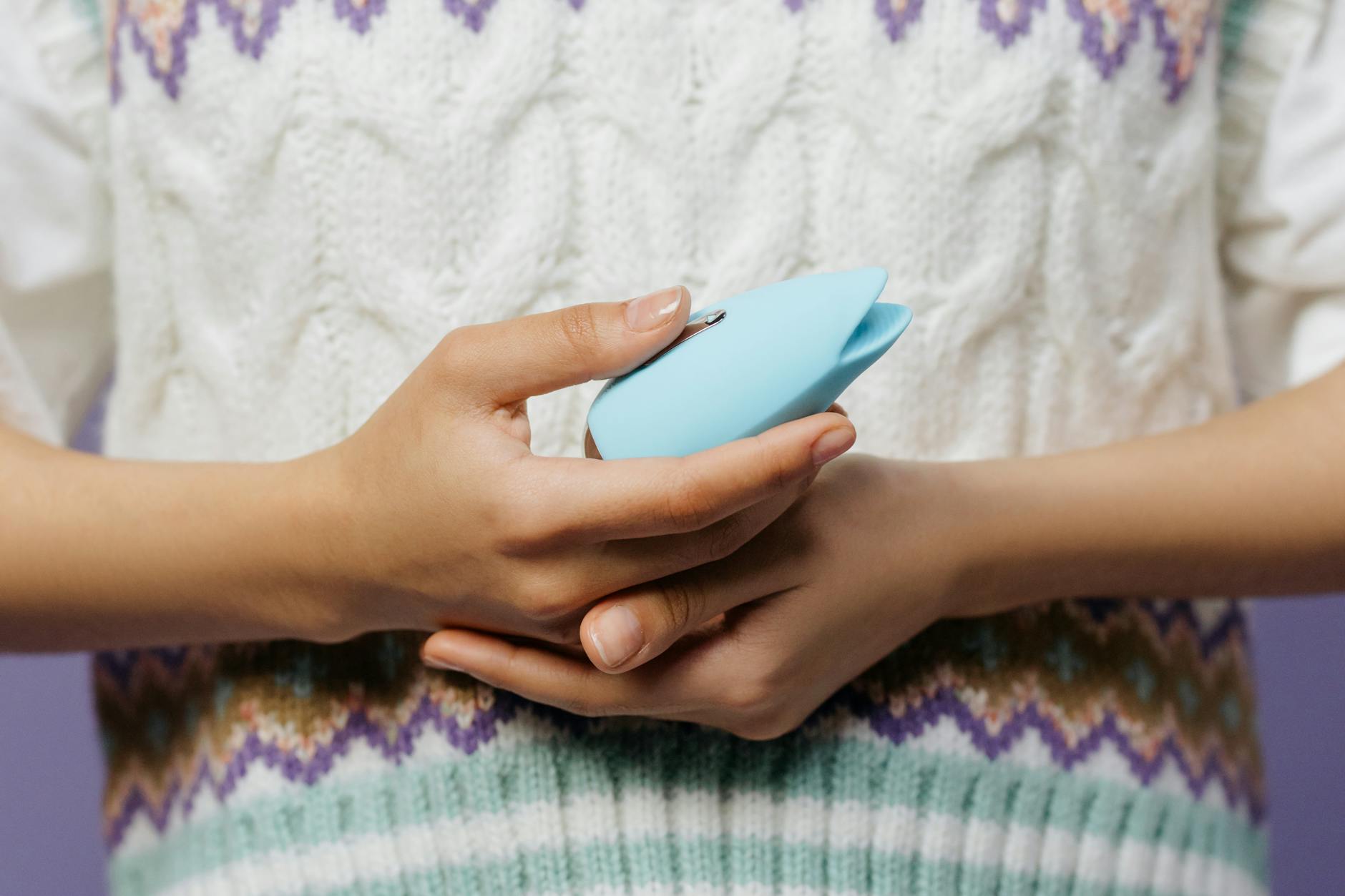
Here's the strategic part. A clitoral vibrator like The Lem doesn't rely on your body's natural arousal response to feel good. It creates direct, consistent stimulation that bypasses the numbness.
Think of it this way. When you're numb, waiting for sensation to build naturally is like waiting for a dimmed lightbulb to suddenly get bright. It won't. But if you bring in a tool that delivers focused vibration directly to the nerves, you're essentially working around the neurochemical blockade.
Air-suction vibrators specifically are helpful here because they create a sensation that's different from what your brain has learned to ignore. The pattern, the rhythm, the intensity curve. It's novel enough that even a muted nervous system can register it.
Starting from ground zero
If you've been numb for months or years, your expectations need to reset. You're not trying to feel like you did before medication. You're building new neural pathways in a brain that's currently running a different chemical baseline.
Start small. Use The Lem on pattern 1 or 2, somewhere quiet, when you have zero pressure to come or feel anything in particular. The goal is data collection. What intensity level creates any sensation at all? Which patterns feel different? Don't judge what you feel. Just notice.
Most people on SSRIs need longer warm-up time and higher intensity than they did before medication. Budget 20-30 minutes. This isn't a problem to solve faster. It's a new normal to explore.
The medication conversation with your doctor
Here's what you might not know: you have options, and your doctor should have told you about them.
Some SSRIs are less likely to cause sexual side effects. Bupropion (Wellbutrin) actually increases dopamine and often improves sexual function, but it's not right for everyone. Buspirone, taken alongside an SSRI, can sometimes counteract the sexual numbness. Timing your dose differently might help. There are also topical treatments for genital numbness.
None of these are guaranteed fixes, but they're worth discussing. Write down your symptoms before your appointment. "My desire is gone and everything feels numb" gives your doctor more to work with than suffering in silence.
If your doctor dismisses this as unimportant or says you just have to live with it, that's a sign you might need a different doctor. Your sexual health is part of your overall health.
Combining medication adjustments with pleasure tools
If your doctor adjusts your dose or switches you to a different SSRI, The Lem becomes even more useful during the transition. Your sensitivity will likely improve over weeks, but it won't bounce back overnight. A clitoral vibrator helps you maintain some kind of pleasurable experience while your nervous system recalibrates.
Similarly, if you add something like buspiron, you might notice sensation returning gradually. A vibrator gives you something to work with in the meantime, and honestly, it often teaches your body new pathways to pleasure that feel better than what you had before medication.
What partners need to understand
If you have a partner, they might feel rejected or think they're doing something wrong. They're not. This is a medication issue, not a relationship issue, even though it shows up in your sex life.
What helps: telling your partner this isn't about them, it's not permanent, and you're actively working on it. Using a vibrator isn't a replacement for them. It's a tool for rebuilding sensation so you can eventually feel connected again.
Many couples find that introducing something like The Lem together takes pressure off performance and creates a different kind of intimacy. It's not the sex you had before, but it can be genuinely good in a new way.
When to expect improvement
If your dose is working well for your mental health, full sexual function might not return completely. Some people adapt well. Others need to stay on SSRIs despite the sexual cost because the alternative is worse depression.
But many people do see improvement over 3-6 months if their doctor makes adjustments. Sexual sensation often comes back before desire does. Don't be discouraged if you start feeling things before you want to have sex. That's normal. Desire tends to follow sensation with time.
In the meantime, use pleasure tools without judgment. You're not settling. You're working with your brain's current chemistry to maintain a part of your life that matters.
The bigger picture
Antidepressants save lives. If you need yours, you need it. The goal isn't to sacrifice your mental health for your sex drive. The goal is to refuse to sacrifice either one.
That means having honest conversations with your doctor, being willing to experiment with different tools and timing, and not accepting vague reassurance that this is just how it is. Your pleasure matters. Your mental health matters. Both can be true at the same time.
People also ask
Can clitoral vibrators permanently fix antidepressant numbness?
Not permanently on their own. A vibrator can help you experience sensation while you're working with your doctor on medication adjustments. But real improvement usually comes from either a dose change, switching medications, or adding something to counteract the side effect. That said, many people find that using vibrators regularly does rewire their nervous system to experience pleasure in new ways, even if full sensation doesn't return.
Is it normal to need much higher intensity on an SSRI?
Completely normal. SSRIs literally reduce the sensitivity of your nerve endings to stimulation. You're not broken. You just need stronger input to register the same sensation. Start low and work up to whatever intensity actually lets you feel something. There's no "right" level. The right level is whatever works for your current brain chemistry.
Will my libido come back if I switch antidepressants?
It often does, but not immediately. Bupropion and certain other medications have lower rates of sexual side effects. Some people see improvement within weeks of switching. Others take 2-3 months. And some people discover their depression was suppressing their desire all along, so they never get the old desire back. But numbness specifically usually improves significantly with a medication change.
Should I tell my partner I'm using a vibrator because of my antidepressant?
That's your call, but honesty usually helps. Your partner might think you're not attracted to them or that something is wrong with the relationship. If you explain "I'm taking medication that's flattened my sensation, and I'm using this tool to work with my body during the adjustment," most partners understand. It reframes the vibrator from a threat to a solution you're actively using together.
Can I use lemon vibrators while taking antidepressants?
Yes. Lemon vibrators are safe to use with any medication. Some people find that air-suction clitoral vibrators are particularly helpful when sensation is muted because the sensation pattern is different from what your brain has learned to tune out. The Lem's patterns and intensity options give you flexibility to find what actually registers in your numbed nervous system.
What if nothing is working, even with medication adjustments?
If sensation still hasn't returned after switching medications or adjusting doses, talk to your doctor about topical treatments like compounded lidocaine cream (which can increase sensitivity) or other options specific to sexual dysfunction. Some therapists also specialize in helping people rebuild pleasure pathways after long-term medication use. This is solvable, but sometimes it takes more than one approach.
Sources and further reading
This guidance draws on clinical research into SSRI sexual side effects and evidence-based approaches to medication management and sexual health. If you're navigating antidepressant side effects, your prescribing doctor remains your primary resource, especially if you're considering dose changes or medication switches. A sex therapist familiar with medication effects can also provide personalized strategies for your situation.