Let's start where you actually are
Breakups don't just end a relationship. They interrupt your body's sense of safety. You've spent months or years (or decades) accustomed to touch from a specific person. Suddenly that touch doesn't exist. Your skin forgets what to expect. Your brain stops triggering certain neural pathways. And somewhere in all of that, pleasure stops feeling like something you deserve.
That's not a reflection of your capacity for pleasure. It's a reflection of trauma, grief, and the muscular patterns your nervous system built during the relationship. And yes, this applies whether the breakup was mutual, wanted, or devastating.
The nervous system part nobody talks about
When you're coupled, your body learns a specific rhythm of touch, arousal, and release. Your parasympathetic nervous system (the one that handles relaxation and pleasure) gets calibrated to your partner's presence. After a breakup, that system is suddenly offline. The pathways are still there. The wiring isn't broken. But the signal stops coming.
Most people interpret this as meaning they've lost their sex drive permanently. They haven't. Their nervous system just needs to be reminded that pleasure doesn't require that specific person's touch. It requires your own.
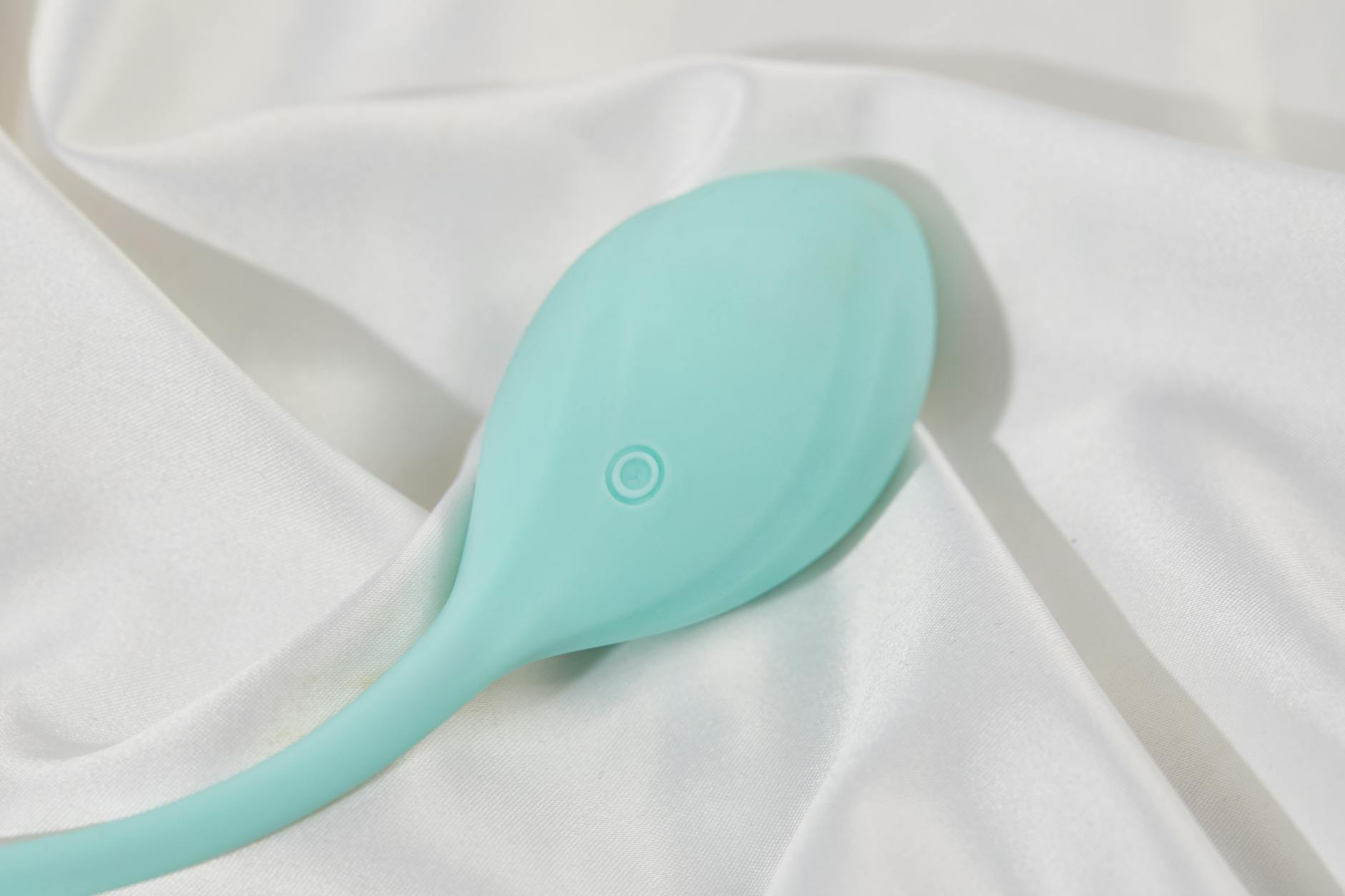
This is where solo exploration with something like a lemon clitoral vibrator becomes genuinely therapeutic, not just pleasurable. You're not just chasing an orgasm. You're teaching your body that it can feel safe, aroused, and satisfied independent of another person's presence.
Why air-suction vibrators work particularly well here
Lemon vibrators use air-suction technology instead of direct vibration. This matters after a breakup because it creates a different sensation pathway than what your body associates with your ex. If you were used to a specific toy or pattern with a partner, switching sensation types can actually help rewire the neural associations.
Air-suction also feels gentler on tissue that's already vulnerable. Grief, anxiety, and the stress response tense the pelvic floor. A lemon sucker provides stimulation without aggressive friction, which means your body can relax enough to actually feel pleasure instead of bracing against it.
The first few sessions (timeline matters)
Honestly, the first week after a breakup is not the time to explore solo pleasure. Your nervous system needs a few days just to downregulate. But by week two or three, when the acute shock has worn off and you're ready to reclaim some autonomy, that's when reintroduction matters.
Start with zero performance pressure. The goal is not an orgasm. The goal is sensation without judgment. Set a quiet space, maybe light some candles if that feels good, and spend 10-15 minutes with your lemon vibrator at the lowest setting. No end goal. Just noticing what your body feels.
This is why many people find that their most powerful orgasms come several weeks post-breakup, not immediately. Your nervous system needs the safety of consistent, self-directed touch to reopen. That usually takes 3-4 weeks of regular, low-pressure exploration.
Grief and arousal can coexist (and that's normal)
Many people feel deeply uncomfortable with the idea of feeling pleasure while also feeling sad. There's a sense that you should be grieving, not orgasming. You should be pining, not exploring. Both voices are real. And both are unhelpful.
Your capacity for pleasure doesn't erase your grief. Grief and arousal can occupy the same space in your nervous system. You can miss your ex and also feel intensely aroused. You can be heartbroken and also deserve to feel good in your body. These aren't contradictions.
If guilt arises during solo exploration, pause. Breathe. Remind yourself that reclaiming your pleasure is not a betrayal. It's a reclamation. It's you saying to your nervous system: "We survived this. Our body is still ours."
The rebound texture question
After a breakup, some people feel a strong pull toward novelty. Different toys, different sensations, different everything. Others need consistency and familiarity. Neither is wrong.
If you're drawn to novelty, a lemon clitoral vibrator's air-suction sensation is genuinely different enough from most partners' touch patterns that it can feel like a clean break. If you need consistency, the fact that you're directing the pace and intensity yourself (rather than negotiating with a partner) already feels fundamentally different.
The key is noticing your instinct and trusting it. If you want to experiment wildly, that's grief and reclamation talking. If you want something gentle and familiar, that's self-compassion talking. Both are valid.
When to consider waiting longer
If you find yourself using solo pleasure as a way to avoid feeling the breakup (hours every day, dissociative, numbing), that's worth pausing on. Not because pleasure is bad. But because avoidance patterns can harden into habits that keep you stuck.
The same applies if arousal feels completely absent even after several weeks of gentle exploration. That can sometimes signal depression or trauma that might benefit from professional support. A good therapist can help you distinguish between "my nervous system needs more time" and "something deeper needs attention."
The partner question (when and if)
Many people worry about how solo exploration will affect future sexual connection. It won't. It actually primes you for it. When you reenter a partnered scenario, you'll have real information about what feels good in your body independent of someone else's preferences. That clarity is attractive and makes for better communication.
If you do find yourself with someone new while you're still in the post-breakup exploration phase, you don't have to hide what you're doing. Partners who are worth your time will understand that you're rebuilding autonomy in your pleasure. Some might even want to explore together eventually.
Practical setup for solo sessions
Here's what I recommend to most clients rebuilding after a breakup:
Block out 20-30 minutes of uninterrupted time, ideally in the evening when you're already winding down. Charge your lemon vibrator fully. Use a water-based lubricant generously. Start at the lowest setting and spend at least five minutes just letting your body get used to the sensation. There's no rush to turn it up.
If your mind drifts to the breakup (it will), that's not failure. Acknowledge the thought and return to sensation. You're training your nervous system to focus on present pleasure, not past pain.
Many people find that alternating between solo sessions and other self-care rituals helps. A night with the vibrator, then a night with just a bath or a walk. Variety keeps your nervous system engaged without creating dependency.
The confidence rebuild
Here's what usually happens by week five or six of gentle, consistent exploration. Your nervous system stops perceiving solo pleasure as "consolation prize" and starts perceiving it as genuinely satisfying. Your baseline arousal often increases. Your orgasms often become more intense because you're not holding back emotionally.
And then something shifts psychologically. You stop seeing yourself as "the person who got left" or "the person who failed the relationship." You start seeing yourself as the person who can make themselves feel this good. Who deserves this. Who rebuilt autonomy in their own pleasure.
That's not ego. That's nervous system recalibration. And it's one of the most reliable predictors of healthy future relationships.
FAQ: Rebuilding pleasure after heartbreak
How long after a breakup should I wait before using solo toys?
Most therapists recommend waiting until the acute shock has worn off. That's usually 10-14 days. Before that, your nervous system is too activated to really receive pleasure. Give yourself those two weeks to cry, sleep poorly, eat badly. Then gently reintroduce touch to your own body as an act of self-compassion, not distraction.
Can using a lemon vibrator make me feel more lonely?
It can, initially. Solo pleasure can sometimes trigger grief because it underscores that you're alone. But that's different from it being unhealthy. Sit with that loneliness for a few minutes. Let yourself feel it. Then remember that you're not trying to replace what you lost. You're reclaiming what's always been yours: your body, your pleasure, your autonomy.
Should I throw away toys I used with my ex?
No. That's throwing away your own pleasure out of loyalty to someone who's no longer part of your life. If a toy still feels good, it's still yours to use. The associations fade faster than you think. Within a few months, most people find that the toy is just a toy again, not a symbol of the relationship.
What if I feel guilty enjoying solo pleasure after a breakup?
Guilt usually means your nervous system is confusing loyalty with self-abandonment. Your ex doesn't own your pleasure now any more than they did during the relationship. Using a vibrator on yourself isn't betrayal. It's survival. Sit with the guilt for 30 seconds. Then turn on your lemon vibrator anyway.
Can solo exploration help me move on faster?
It won't rush the process, but it will make it cleaner. When you reclaim pleasure as something you control and deserve, you stop unconsciously waiting for the next person to give it back to you. That actually accelerates your ability to meet new partners from a place of wholeness rather than hunger.
Is there a point where solo pleasure becomes avoidance?
Yes. If you're using it to avoid crying, talking to friends, or sitting with grief, that's avoidance. You'll know because the pleasure won't feel genuinely pleasurable. It'll feel numbing or obsessive. If that's happening, try pausing for a week and focusing on other forms of care. Then reintroduce it gently.
The real work
Reclaiming your body after a breakup isn't really about the vibrator. The lemon clitoral vibrator is just a tool that helps your nervous system remember something it forgot: that pleasure is a birthright, not a privilege granted by another person.
Your body was yours before the relationship. It's yours now. And in a few months, when the grief has settled and your nervous system has recalibrated, you'll have genuinely rebuilt autonomy in your own arousal.
That's not just sex. That's self-trust. And it's exactly what you need to move forward.
If you're struggling with rebuilding after a significant relationship loss, talking with a therapist who specializes in couples work and individual recovery can help you sort through the specific patterns in your relationship and nervous system. Reach out to us at /contact if you'd like resources or recommendations.